Marketing the Flat
Marketing a small space well is a craft. The goal is to make the flat feel functional, light and well thought out, rather than to disguise the size. Buyers know what a studio is; they want to see how it works.
Photography and floor plan
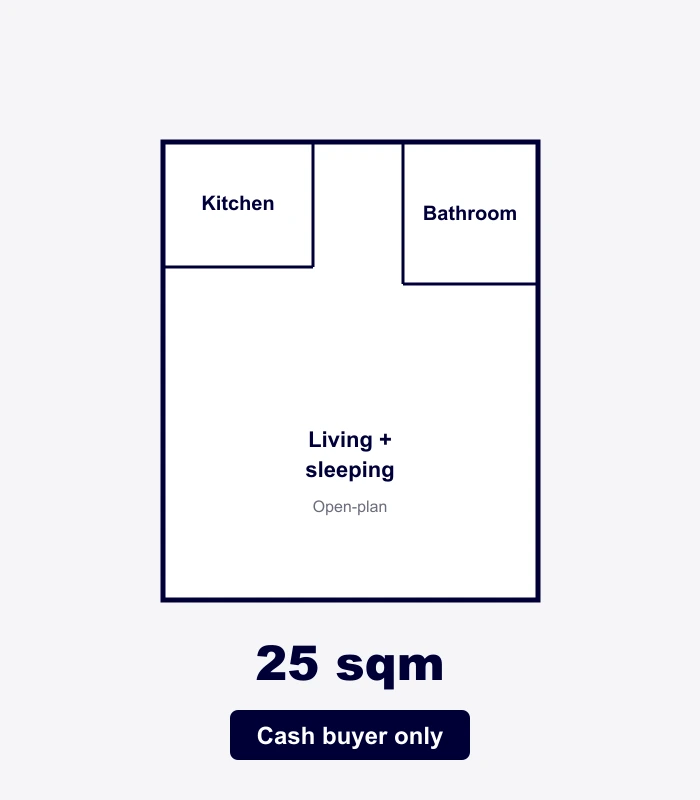
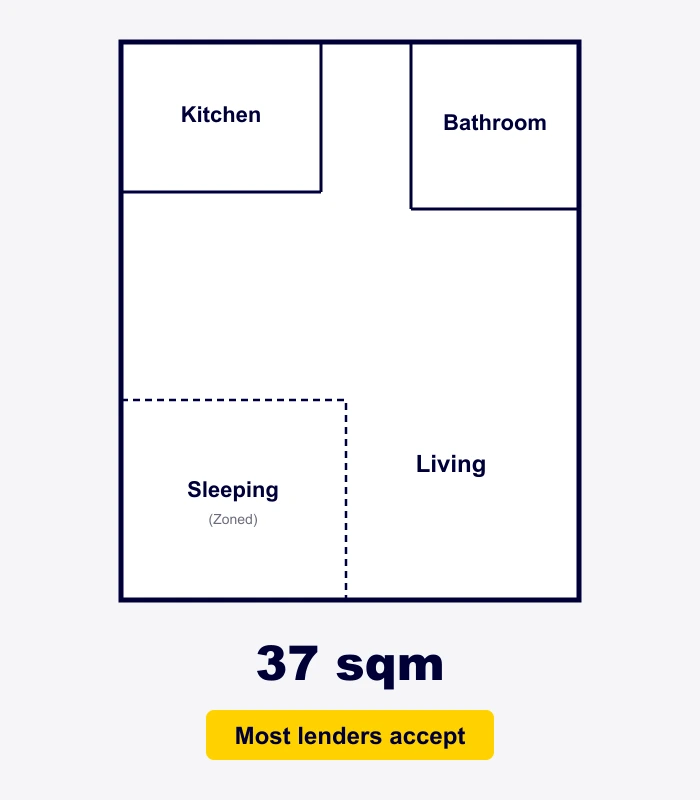
Professional photography matters more for studios than for larger flats. Get a photographer with experience of small spaces who knows how to use natural light, wide-angle lenses (without distortion) and decluttered staging. Always include a floor plan with room dimensions. Investors and serious buyers will want this before they book a viewing.
Staging
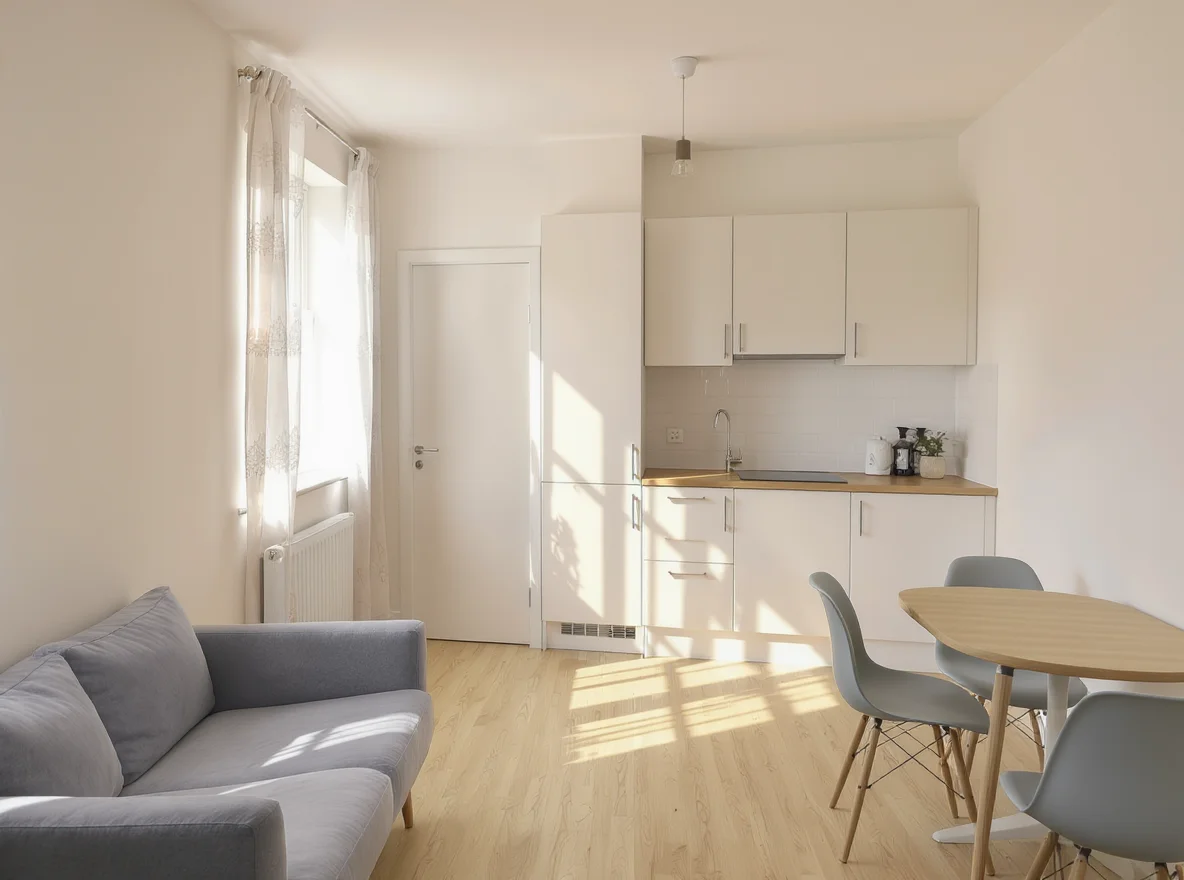
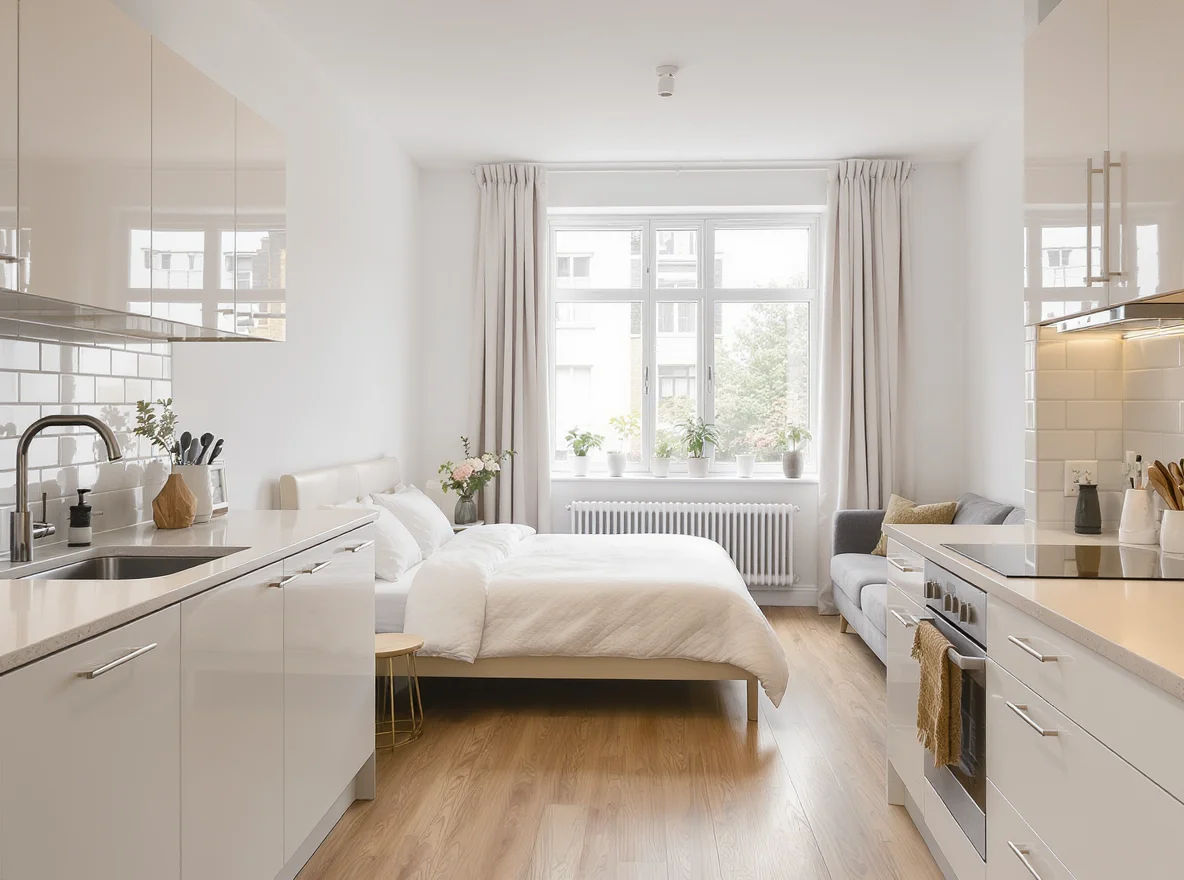
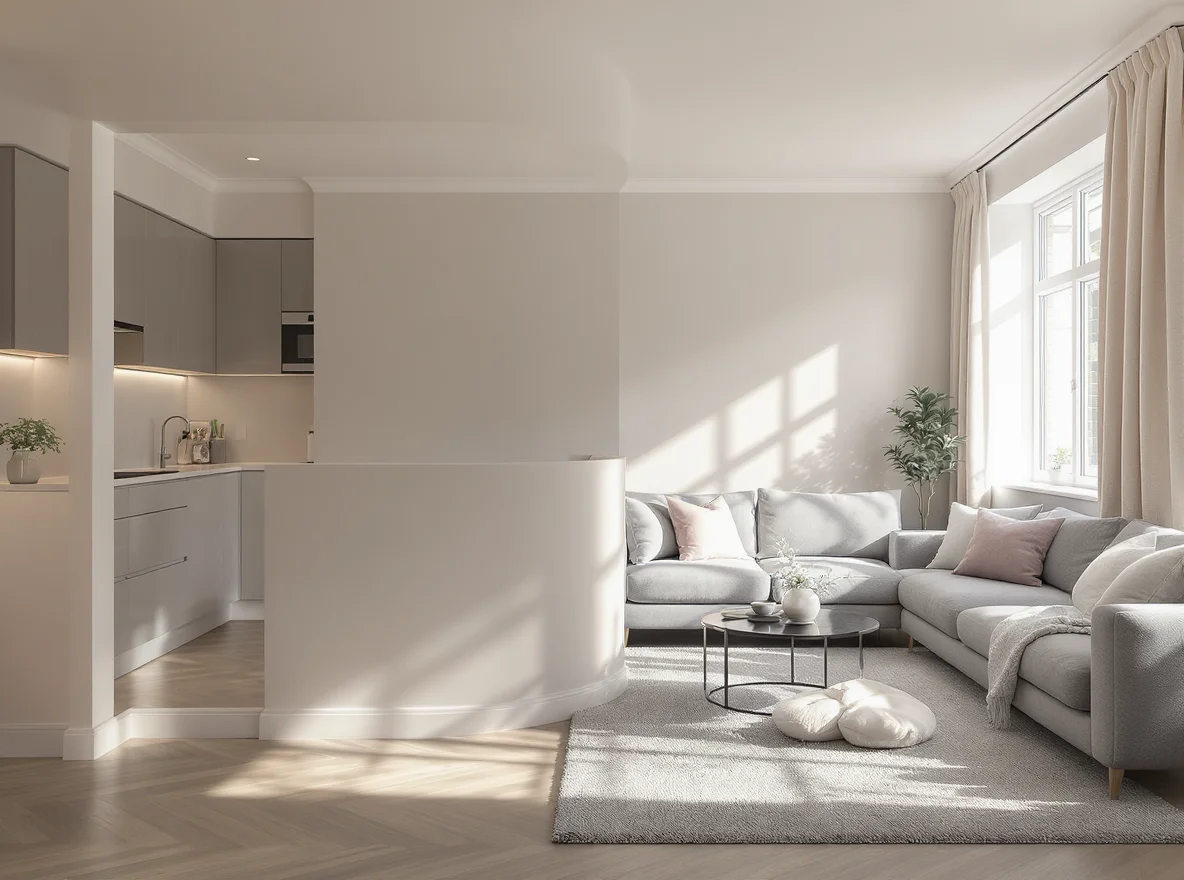
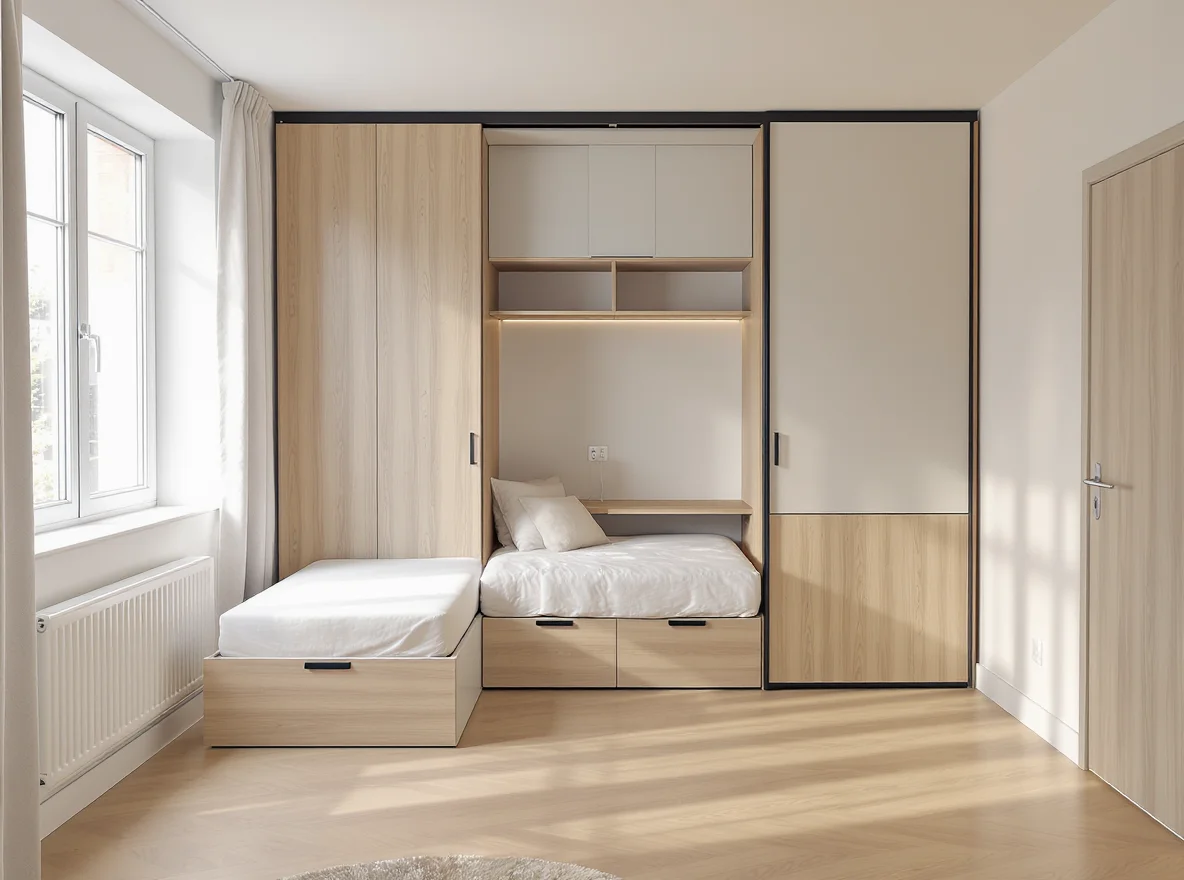
Stage to demonstrate functionality, not to disguise. Show how the sleeping area is separated (or zoned) from the living area. Use neutral, light-reflecting paint colours. Choose simple, modern furniture that fits the scale of the room. Avoid overstuffed pieces that make the space feel cramped.
What to include in the listing
Three of these are not optional: lease length, ground rent and service charge are material information that must appear in the listing under the Digital Markets, Competition and Consumers Act 2024, enforced by the Competition and Markets Authority since April 2025. The rest are what good studio marketing includes.
- Floor area in square metres (not just feet)
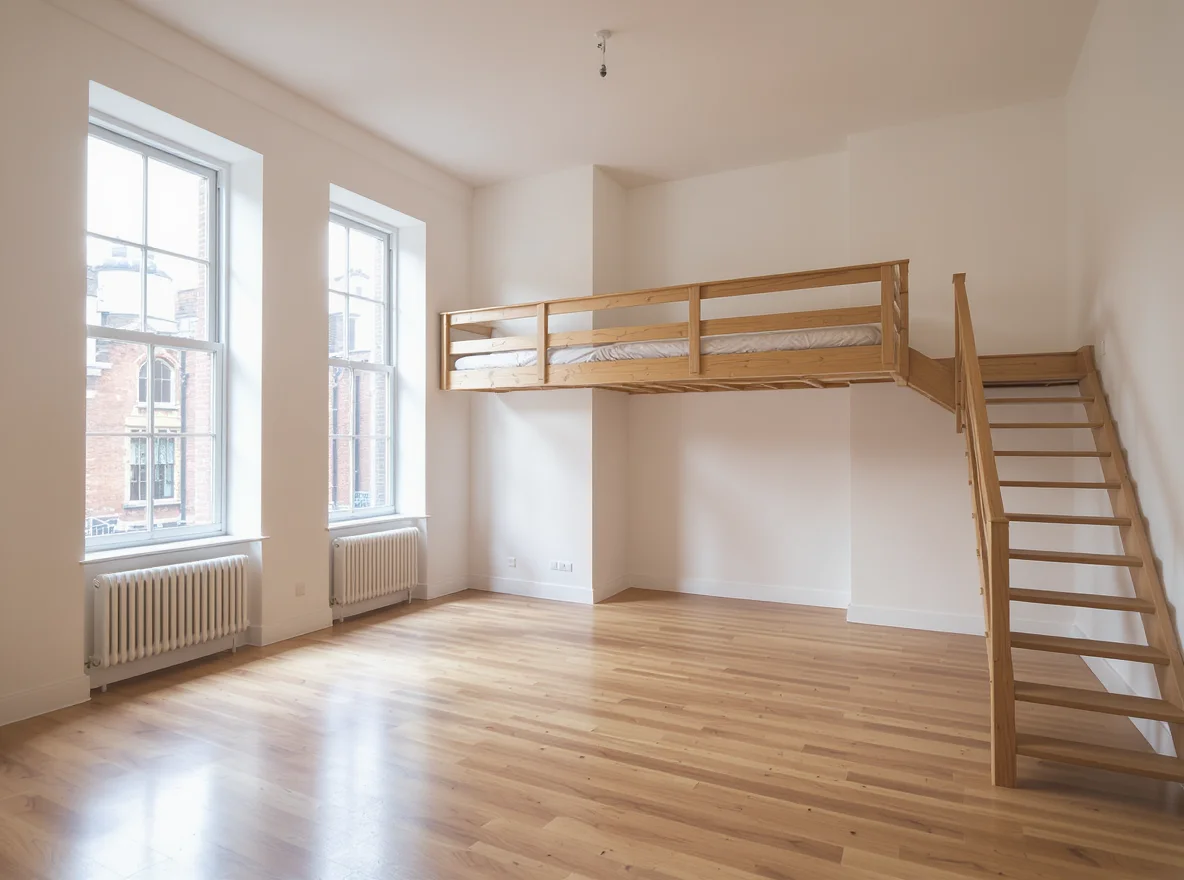
- Layout type: open-plan, L-shaped, mezzanine, modular
- Lease length and ground rent
- Service charge and what it includes
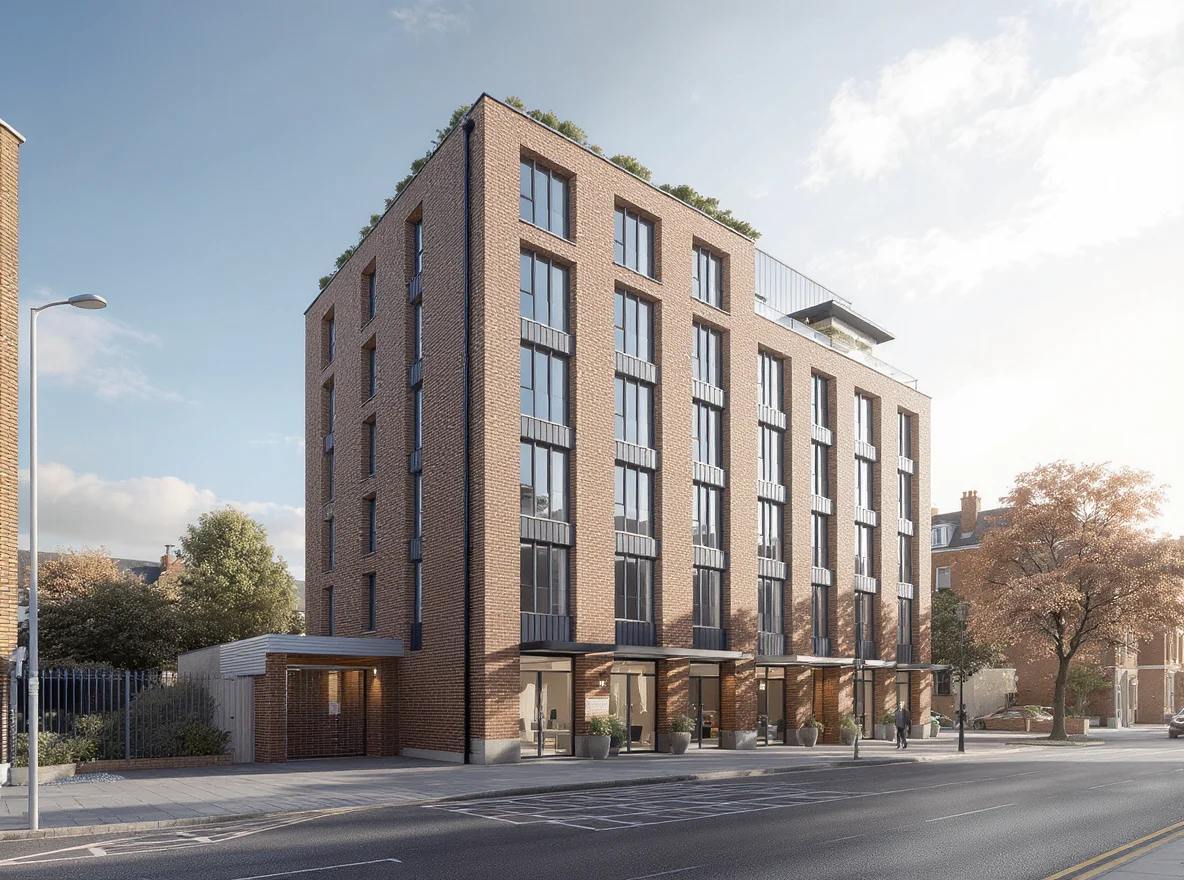
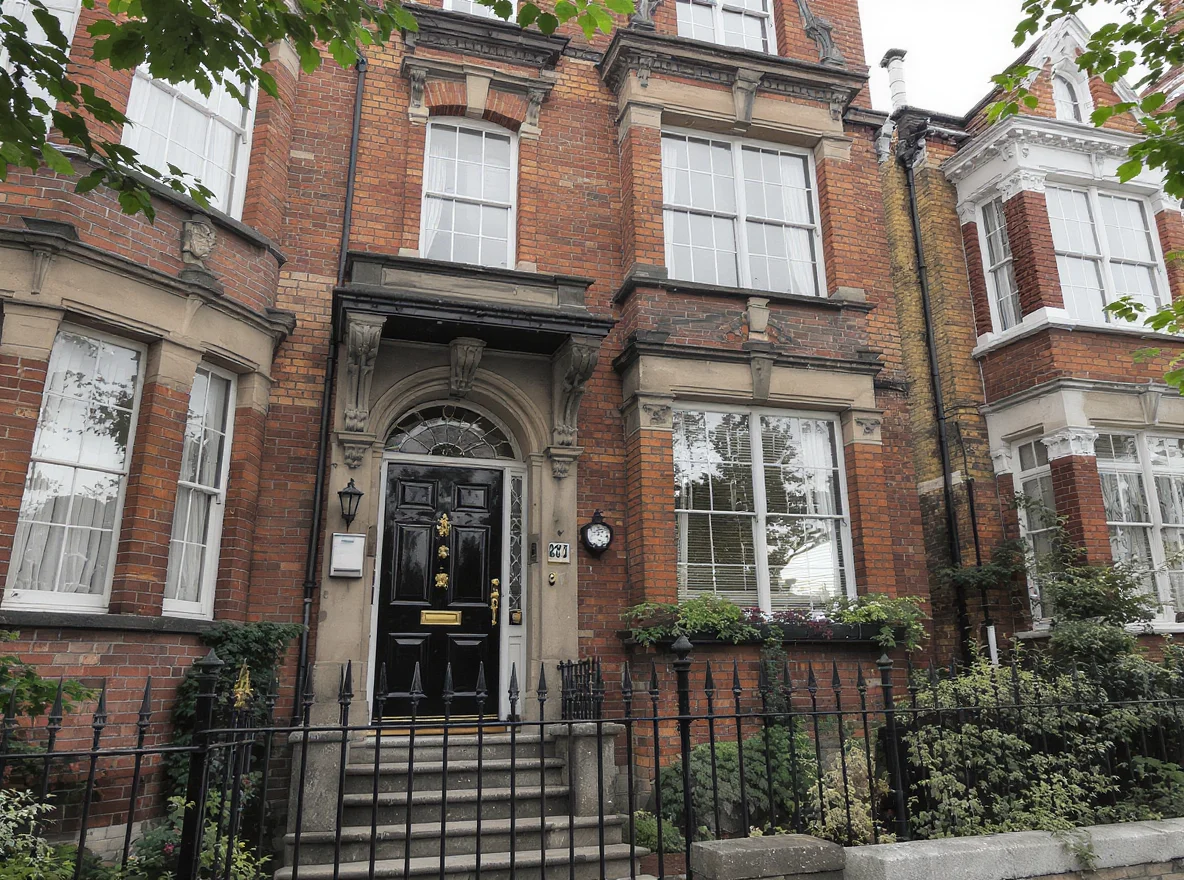
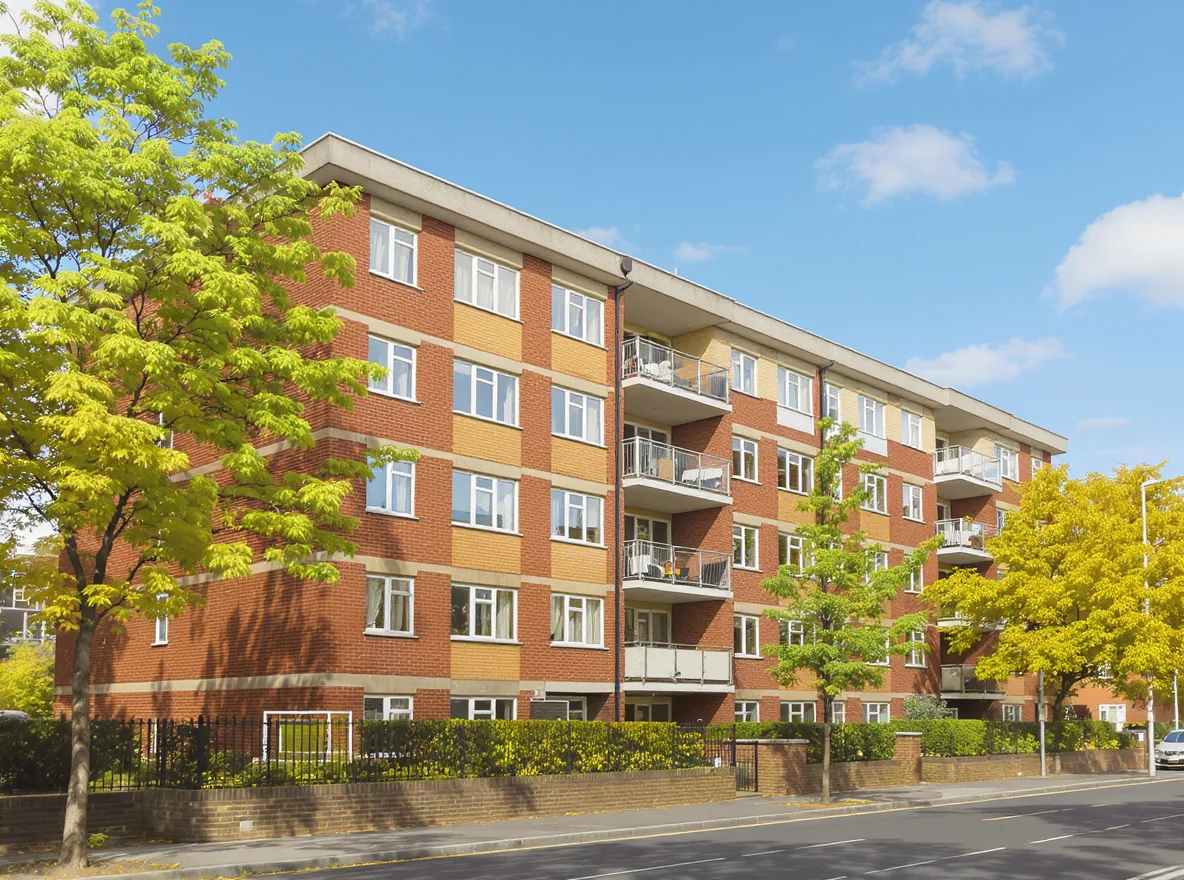
- Building type: purpose-built / conversion / ex-council
- Rental potential (actual or comparable rent)
- Transport links and walking distance to stations
Language for the right audience
Investor-targeted listings benefit from yield-focused language: "currently let at £X pcm", "gross yield approximately Y%", "tenant in place / vacant possession", "popular for short lets where the lease permits". Owner-occupier-targeted listings (for larger studios in good condition) lean on lifestyle: location, transport, neighbourhood. Match the language to the realistic buyer.