
Sellers' Guide
Selling a Share of Freehold Flat
A share of freehold is a selling point, as long as the paperwork behind it is in order. You still own your flat on a lease. The freehold itself belongs to a small company, or to you and your neighbours jointly. This guide covers what passes to the buyer, the problems that come up during a sale, how they affect the price and how to fix them.
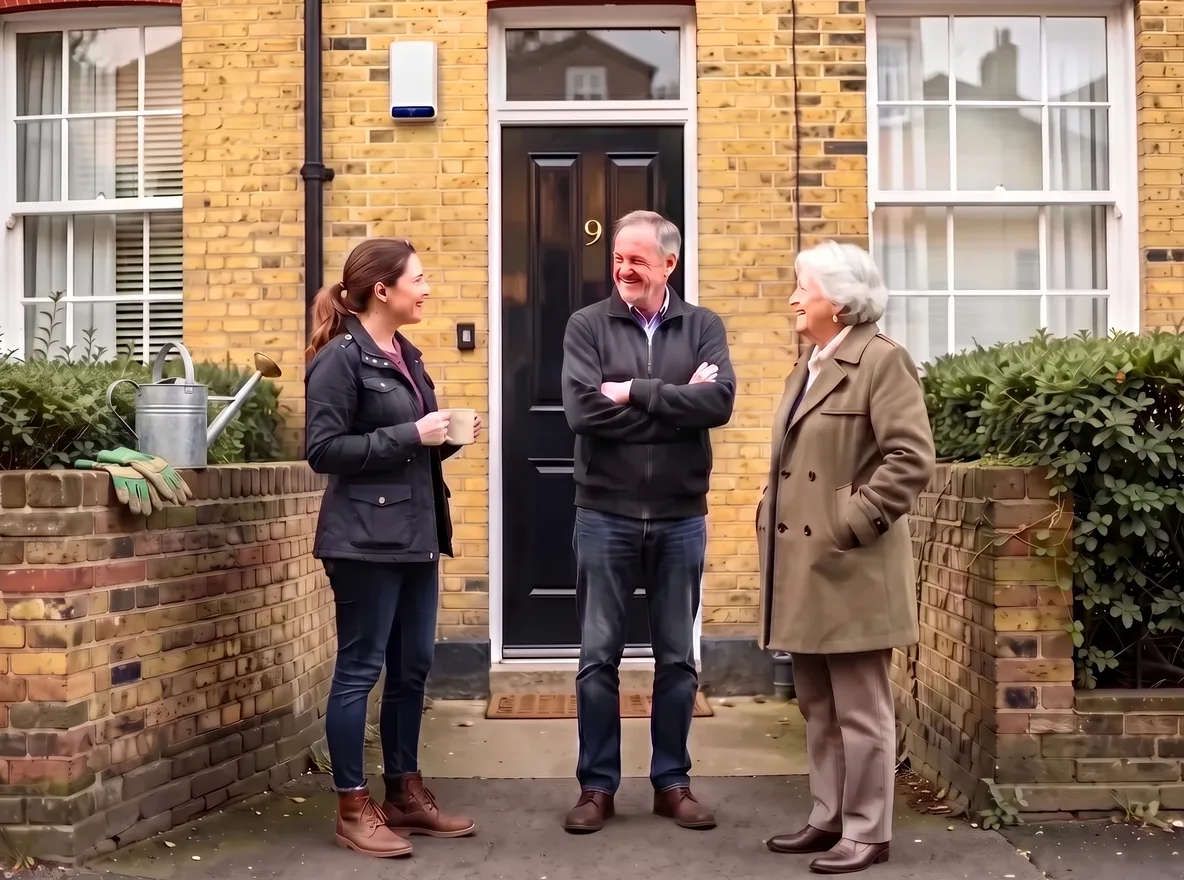
Can You Sell a Share of Freehold Flat?
Estate agents put "share of freehold" in the first line of the advert for a reason. Buyers read it as no outside freeholder, no ground rent and no battles over service charges. All of that can be true. What the phrase hides is that the flat is still leasehold, and that the freehold is only as well run as the people who own it.
In a well-run building, the share transfers on completion with a single form and the sale is simpler than most. In a building where the freehold company has not filed anything for years, or where one of three co-owners has moved abroad, the buyer's solicitor will stop and ask questions that can take months to answer. This guide is about telling the two apart before you go to market, and fixing what you can.

This guide is general information, not legal advice. It covers England and Wales.
Written and kept up to date by the Sell Flat UK team at LDN Properties Ltd, who have bought share of freehold flats since 2003. Last reviewed on 14 October 2026.
What Share of Freehold Actually Means
Share of freehold is not a type of ownership in law. It is a description of two things held together: a lease of your flat, and a share in whoever owns the freehold of the building. Our guide to leasehold, freehold and share of freehold covers the background. When you sell, what matters is how the freehold is held. Buildings use one of two set-ups.
The freehold is owned by a company
This is the usual arrangement in buildings of more than four flats, and in most that bought their freehold through collective enfranchisement. A small limited company owns the freehold. Each flat owner holds a share in it, or is a member if it is a company limited by guarantee, and some of the owners act as directors. The company is your landlord. It collects the service charge, insures the building and, in theory, files accounts and a confirmation statement with Companies House every year.
The freehold is in the owners' names
In converted houses of two, three or four flats, the freehold is often registered directly in the names of the owners, with no company at all. HM Land Registry will register up to four people as the legal owners of a title, so this only works in small buildings. The owners hold the freehold on trust for each other, sometimes with a written declaration of trust and often without one. There is nothing to file and no company to keep alive, but every change of owner means a change to the freehold title, and every signature has to come from a real person.
The lease is still there
Whichever set-up you have, your flat is still held on a lease. The lease sets out what you own, what the freeholder repairs and what you pay towards it. Its length still matters to buyers and lenders in exactly the way it does for any other flat. A share of freehold flat with 65 years left on the lease is a short lease flat that happens to have a friendly freeholder. The difference is that fixing it is usually cheap, as the section on lease length explains.
What Changes Hands When You Sell
An ordinary leasehold sale transfers one thing: the lease. A share of freehold sale transfers two, and the second one is where the extra work comes in. Your solicitor handles the lease assignment as normal. The share of the freehold moves in one of two ways, depending on the set-up.
If a company owns the freehold
Your share in the company passes to the buyer on completion. In practice that means a stock transfer form signed by you, a new share certificate issued by the company and the company's register of members updated. If you are a director, you resign and the buyer is usually appointed in your place. The company tells Companies House about the new director within 14 days. The share transfer only needs to show on the next confirmation statement. Some leases say the share must go with the flat, so a sale without the share would break the lease.
The company, or whoever does its admin, may charge a small fee for issuing the new certificate, and the buyer's solicitor will want a copy of the company's articles and its latest filings before exchange. If the company has a managing agent, this all runs alongside the management pack. If it does not, one of the directors has to do it, and that is often where delays start.
If the freehold is in the owners' names
Here the freehold title itself has to change. Your name comes off and the buyer's goes on, which takes a transfer deed signed by every registered owner, not just you, and an application to HM Land Registry. If there is a declaration of trust, it needs a short deed to swap you for the buyer too. The buyer's solicitor will not exchange until the other owners have agreed to sign, so the first practical step is to warn your neighbours early and find out whether any of them will be hard to reach.
What the buyer's solicitor asks for
On top of the usual leasehold enquiries, expect requests for the company's certificate of incorporation, articles, last filed accounts and confirmation statement, the register of members, your share certificate, the freehold title and the buildings insurance schedule. In a building without a managing agent, the standard LPE1 form still has to be completed, and it falls to the owners themselves. If nobody has kept service charge records, that form is hard to fill in honestly, and a buyer's lender will notice the gaps.
How Buyers and Lenders See It
Most buyers prefer share of freehold to standard leasehold, and in our experience one whose company and paperwork are in good order sells a little faster and sometimes for a little more. The appeal is control. There is no outside freeholder to charge for consents, no ground rent that can climb and, when the lease needs extending, the people who have to agree are the neighbours.
Lenders are comfortable with share of freehold, with one condition: the arrangement has to work. The buyer's solicitor has to confirm to the lender that the freehold company exists, that the share will transfer on completion and that the building is insured. A company that has been struck off, or a freehold title that still names an owner who sold ten years ago, cannot give those confirmations, and the mortgage offer stalls until it can.
Buyers also assume share of freehold means a long lease. It usually does, because many buildings grant themselves 999-year leases when they take the freehold on. Where it does not, the lender applies its normal lease length rules, which our guide to mortgage lenders and lease length explains.
The Problems That Surface in a Sale
Share of freehold buildings run on goodwill, and goodwill does not file accounts. These are the problems we see most often, roughly in order of how common they are.
The company has fallen behind with Companies House
A freehold company has to file a confirmation statement and a set of accounts every year, even if it has done nothing and holds no money. The confirmation statement costs £50 to file online. Dormant accounts are a single short form. Miss them and Companies House sends warning letters to the registered office, which is often the address of an owner who left years ago. Late accounts carry an automatic penalty, starting at £150 and rising to £1,500 if they are more than six months late, and a company that keeps ignoring the letters is struck off the register.
If the company is only behind, the fix is simple: a director files the missing returns, pays any penalty and the company is back in good standing within days. Check the company's filing history on the Companies House website before you instruct an agent. It is free and takes a minute.
There is nobody to sign
A company acts through its directors. If the only other director has died, moved away or simply stopped replying, there may be nobody who can sign the stock transfer or confirm the company's position to the buyer's solicitor. The remaining members can usually appoint a new director by a written resolution, and in a four-flat building that may mean you appoint yourself and one neighbour. It is worth doing before you go to market rather than during the sale.
Where the freehold is in the owners' names, the problem is sharper. A transfer of the freehold title needs every registered owner's signature. If one has died, the surviving owners sign and send the death certificate to HM Land Registry to take the name off the title. Executors only come into it if the person who died was the last owner left, and where only one owner survives a second person has to be appointed to sign alongside them. If one cannot be found or refuses, the others may have to apply to court for an order that the transfer goes ahead, or to replace them as a trustee. That takes months and costs several thousand pounds, so a buyer will usually want it settled before exchange.
No accounts, no insurance, no records
Many small share of freehold buildings have never run a formal service charge. The owners split the insurance when the renewal comes in and share the cost of a roof repair when it is needed. That works until somebody sells. The buyer's solicitor asks for three years of service charge accounts, the reserve fund balance and the current insurance schedule, and there is nothing to send.
You cannot invent three years of accounts, but you can put together a short, honest summary: what the building has spent in the last three years, how it was shared, what insurance is in place and what work is expected. Make sure the buildings insurance is live and covers the whole building. A lapsed policy is the single thing most likely to hold up a mortgage offer, and it leaves every owner exposed in the meantime. Our guide to buildings insurance for leasehold flats explains what the policy needs to cover.
The lease is short
Share of freehold does not extend your lease. If the building bought its freehold years ago and never granted new leases, the original terms are still running down, and a buyer's lender will apply its usual rules. Most refuse to lend below 70 years, and below 80 years marriage value makes a statutory extension expensive.
The good news is that extending a lease in a share of freehold building is usually cheap. The freeholder is you and your neighbours, so the company can grant each flat a new 999-year lease for no premium at all, with each owner paying only the legal cost of drawing up the new lease. It needs every owner to agree and sign, and if one will not, you can still serve a statutory notice on the company and pay the premium into it, which the other owners then share. Our guide on how to extend your lease covers both routes.
The leases do not match
In buildings that were converted in stages, or where leases were extended one at a time, the leases can say different things about who pays for what. One flat's lease may make the freeholder responsible for the roof while another makes the top flat responsible. Buyers' solicitors spot these gaps, and they fall under the same rules as any defective lease: a deed of variation if the owners agree, or indemnity insurance if time is short.
If the Freehold Company Has Been Dissolved
This is the problem that stops sales outright, and it is more common than most owners realise. A company that stops filing is eventually struck off the register. When that happens, anything it owned, including the freehold of your building, passes to the Crown as bona vacantia, the legal term for ownerless property. The Bona Vacantia Division of the Government Legal Department then holds the freehold. Your lease is unaffected and you still own your flat. What you no longer own is a share in anything, because the company no longer exists.
The buyer's solicitor will find this when they search the freehold title or Companies House, and no lender will proceed until it is sorted. There are two ways to put it right.
Restore the company
If Companies House struck the company off for not filing, and it was still in operation at the time, a former director or member can apply to have it restored without going to court. The application must be made within six years of the dissolution. The fee is £341, and the missing accounts and confirmation statements have to be filed and any late filing penalties paid at the same time. You also need a waiver letter from the Bona Vacantia Division confirming it has no objection. Where the company's only asset is the freehold of its members' own building, that is usually straightforward.
Once the company is restored, the freehold goes back to it as if it had never left. Allow a few weeks, and a few hundred pounds of professional fees on top of the Companies House fee if you use an accountant or solicitor.
If the owners dissolved the company themselves, or more than six years have passed, restoration needs a court order instead. The court fee is £280, legal costs are typically a few thousand pounds and the process usually takes several months.
Buy the freehold back from the Crown
The alternative is to buy the freehold from the Bona Vacantia Division. The owners apply together, usually through a new company or jointly in their own names, and any owner who does not want to take part signs a form to say so. The price is set at 15 times the combined annual ground rent of all the flats, with a minimum of £1,000, unless any flat is worth more than £250,000 or any lease has under 80 years left. In London that covers most flats, so the District Valuer usually sets the price. On top of the price, the Division's legal costs are around £1,209 plus VAT, plus the District Valuer's fee where one is needed. The Division aims to sell or disclaim within 12 months of being approached. If the owners cannot agree or cannot be found, it may simply disclaim the freehold, which leaves the building in a worse position than before.
For most buildings that were struck off by accident, restoring the company is cheaper and faster. Buying from the Crown makes sense when the company was wound up on purpose, when the six years have passed or when the owners want a fresh start with a properly set up company.
How Much Does It Affect the Price?
Share of freehold adds value only when it works. As a rough guide, from what we see:
| Situation | Typical effect on price | What buyers usually want |
|---|---|---|
| Company up to date, long lease, insurance and records in order | None, or a small premium over an ordinary leasehold flat | The filings, the share certificate and the insurance schedule, then a normal sale |
| Filings behind, no formal accounts, a director to appoint or a lease to extend | Usually delay rather than discount. About 5 to 10 percent if it is still unresolved at exchange | Evidence that the fixes are under way, and a price that reflects the work left to do |
| Company dissolved, a co-owner refusing or missing, or the freehold with the Crown | About 10 to 20 percent, sometimes more | Most mortgage buyers wait until the freehold is back in the owners' hands. Cash buyers price in the cost and the time. |
These are typical ranges, not a valuation. The value of the flat, how many owners are involved and how far through the fix you are all move the figure. The pattern is the same as with most leasehold problems: a known cost is priced in, an open question is priced in harder.
Paperwork to Gather Before You Sell
Most of this takes an afternoon if the building is in reasonable order, and it answers the buyer's solicitor's questions before they are asked:
- The freehold title register from HM Land Registry, which costs £7 and shows who owns the freehold, whether that is the company or named individuals
- The company's filing history from Companies House, with the last accounts and confirmation statement
- Your share certificate, or the declaration of trust if the freehold is in the owners' names
- The company's articles of association, which say how shares transfer and directors are appointed
- The current buildings insurance schedule for the whole building
- Service charge accounts for the last three years, or a written summary of what was spent and how it was shared
- Any planned or recent major works, and how they were paid for
- Up-to-date contact details for every other owner, and the name of the person who handles the admin
If the freehold title still shows a former owner, or the company's directors are people who sold long ago, those are the first things to fix. They are the problems a buyer's solicitor will find in the first week.
Your Options
| Option | How it works | Best for |
|---|---|---|
| Put the paperwork in order first, then sell through an estate agent | Bring the filings up to date, appoint a director, confirm the insurance and extend short leases, then market the flat with the paperwork ready | Buildings where the problems are admin and the other owners will cooperate. This gets the best price. |
| Sell through an estate agent while you fix it | Go to market and run the restoration or lease extension alongside the sale, disclosing it from the start | Sellers with a deadline where the fix has a clear end date, such as a company restoration already lodged |
| Sell at auction | The legal pack sets out the position and bidders price it. Most are cash buyers. | A dissolved company or a missing co-owner where you cannot or do not want to lead the fix |
| Sell to a cash buyer | The buyer takes on the problem, does not need a mortgage and can complete before the freehold is sorted | The same situations, where a certain date matters more than the last few percent of price |
Fixing the problem first is nearly always worth it when the other owners will help, because the fixes are cheap compared with the discount. Where they will not help, or the owners cannot be found, the choice is between a long fight and a faster sale at a lower price. Our guides to selling at auction and selling to a cash buyer compare the faster routes honestly.
What to Do, and What Not to Do
Do:
- Check Companies House and the freehold title before you instruct an agent. Together they cost £7 and a few minutes, and they tell you whether you have a problem.
- Tell the other owners you are selling. You will need signatures from some of them, and goodwill is easier to find before the buyer's solicitor starts chasing.
- Confirm the buildings insurance is live. Ask for the schedule and check the sum insured covers the whole building.
- Describe the set-up accurately in the listing. If the company is dormant or the lease is short, say so. Buyers who find out later walk away, and your agent has to disclose it as material information anyway.
Do not:
- Do not assume the lease is long. Check the years remaining on the title register. Our guide on checking your lease length shows how.
- Do not sell the flat without the share. Some leases forbid it, and a buyer who later finds they own a lease with no say in the freehold has a claim.
- Do not leave the company admin to whoever is left. A share of freehold building needs at least one person who files the returns and keeps the insurance going. Agree who that is before you leave.
Sources and Further Reading
- Companies House fees: the current confirmation statement and administrative restoration fees.
- Companies House: late filing penalties: the penalty bands for late accounts.
- Bona Vacantia Division: apply to buy your freehold reversion (BVC4): how leaseholders buy a dissolved company's freehold from the Crown, and the pricing rules.
- Government Legal Department: company restoration guide: restoration by court order under the Companies Act 2006.
- Companies Act 2006, Part 31, Chapter 3: the law on restoring a dissolved company.
- Leasehold Advisory Service: free guidance on resident-owned freeholds, lease extensions and service charges.
Frequently Asked Questions
Yes. You own your flat on a lease, and separately you own a share of the freehold of the building, either through a company or jointly with the other owners. The lease is the document that governs the flat, and its length still matters to buyers and lenders. Share of freehold gives you a say in how the building is run and removes the outside freeholder. It does not change the fact that there is a lease.
Usually a little, and only when the arrangement is in good order. Buyers like having no outside freeholder, no ground rent and a cheap route to a long lease, and in our experience a share of freehold flat with its company and paperwork in order sells a bit faster and sometimes at a small premium. A flat whose freehold company has been struck off, or whose co-owners cannot be found, sells for less than an ordinary leasehold flat, because the buyer is taking on a problem.
It passes to the buyer on completion. Where a company owns the freehold, you sign a stock transfer form, the company issues the buyer a new share certificate and you resign as a director if you were one. Where the freehold is in the owners' names, the freehold title is transferred so that your name comes off and the buyer's goes on, which needs every registered owner to sign. Your solicitor handles both alongside the lease.
Not without good reason. Many leases say the share must go with the flat. A buyer who ends up with a lease but no share has no vote in the freehold and may have a claim against you. Lenders also expect the share to transfer. If the share cannot be transferred because the company has been dissolved, the usual answer is to restore the company before completion or to agree with the buyer how it will be dealt with afterwards.
You can, but most mortgage buyers will wait until the company is restored. When a company is struck off, the freehold passes to the Crown as bona vacantia. A former director or member can apply to Companies House to restore the company within six years of the dissolution, for a fee of £341 plus any missing filings and penalties, and the freehold then returns to it. Outside that window, or if the owners dissolved the company deliberately, restoration needs a court order. A cash buyer can complete before any of this is done and take the problem on.
If a company owns the freehold, you usually do not need every owner, only a director to sign the share transfer, and the members can appoint a new director if the existing one will not act. If the freehold is in the owners' names, every registered owner has to sign the transfer, so one person can block it. The remaining owners can apply to court for an order that the transfer goes ahead or to replace the person as a trustee. That takes months, so if time matters, a sale to a cash buyer who accepts the position may be the practical route.
No. The lease keeps running down whoever owns the freehold. If your building never granted itself new leases, you may have a short lease that lenders will not accept. The difference is cost: the owners can agree to grant each flat a new 999-year lease for no premium, paying only the legal fees. Every owner needs to sign. If one refuses, you can still serve a statutory notice on your own freehold company and pay the premium into it.
It slows things down rather than stopping them. The buyer's solicitor will ask for three years of accounts and a reserve fund balance, and will accept an honest written summary of what the building spent, how it was shared and what insurance is in place. What they will not accept is no buildings insurance. Check the policy is live and covers the whole building before you go to market.
Most do, and treat it as a positive, provided the arrangement works. The buyer's solicitor has to confirm that the freehold company exists and is up to date, that the share will transfer on completion, that the building is insured and that the lease is long enough under the lender's usual rules. If any of those cannot be confirmed, the mortgage offer waits until they can.