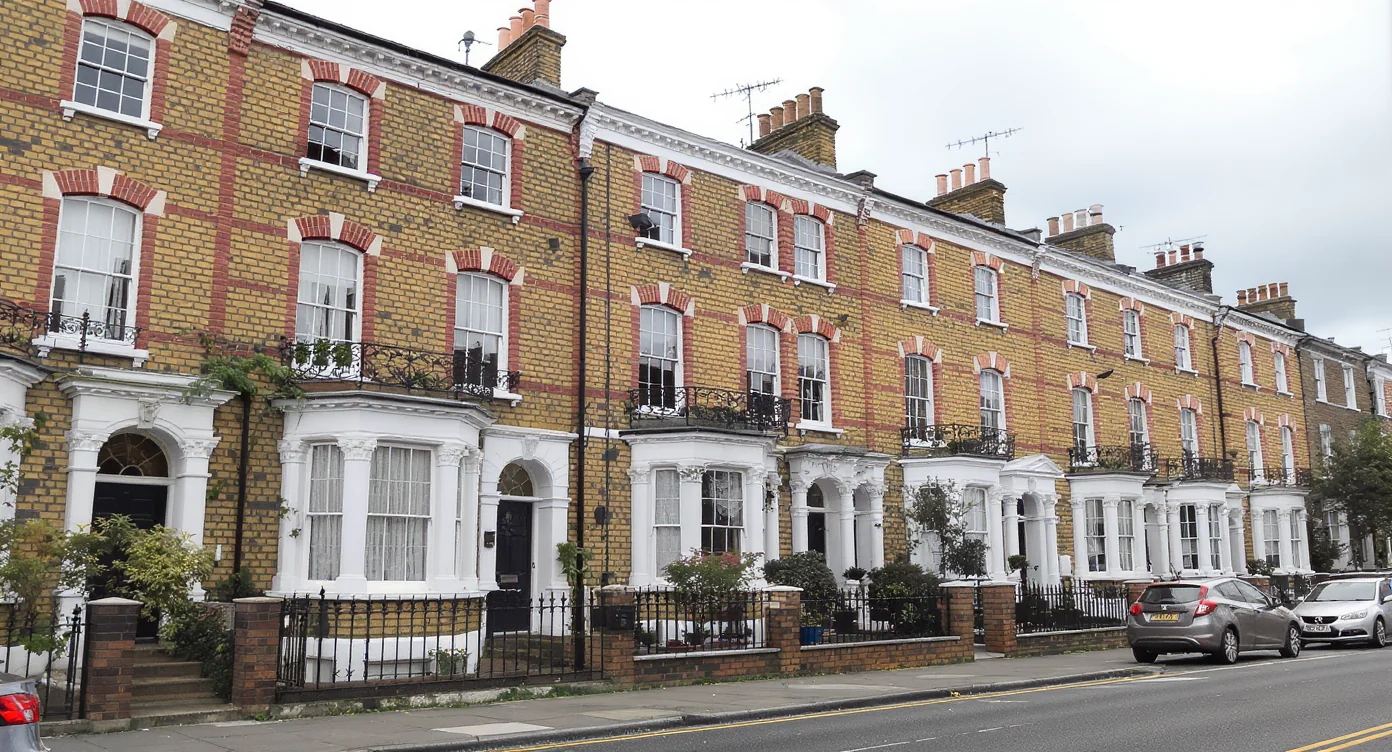
Most flat sales are simple, but some come with circumstances that change how to approach them. This section covers the most common: an empty flat after a tenant or void, an inherited flat, a sale that has fallen through, a flat with a sitting tenant, or a sale running against a relocation deadline.
Selling a Flat When Your Situation Is Not Standard
The standard sale (a flat that has been a home for several years, sold by the owner-occupier, with a buyer who can move in straight away) is the easiest route. It is also a minority of sales. Most leasehold flats reach the market because something has changed for the seller: an inheritance, a divorce, a relocation, a tenant moving out, a previous sale falling through. Each of these adds practical issues that change how the sale is best approached.
Some situations affect the achievable price (a vacant flat sitting empty for six months will typically sell for less than the same flat marketed fresh). Some affect timescale (a probate sale cannot complete until probate is granted). Some change which routes are realistic (a tenanted flat appeals mostly to investor buyers; an empty flat with a short lease can only progress to cash buyers). Knowing which apply to your situation lets you plan around them rather than discovering them mid-sale.
The cards below cover the situations sellers ask about most often, each linking through to the specific guidance for that scenario.
In-Depth Guides
Detailed reads on specific selling situations.
When You Need to Sell Your Flat Quickly
Quick flat sales come up for many reasons: a fixed move date, mortgage arrears, the 12-week disregard on a care home funding clock, a chain in danger, or simply wanting a clean break. This guide is an impartial look at the three routes ranked by speed, what slows a quick leasehold sale, the red flags to watch for and the price you pay for speed.
Selling a Flat After the Death of a Partner or Co-Owner
When one joint owner of a flat dies, the survivor faces a mix of decisions: legal, financial and personal. This guide covers what changes automatically (the right of survivorship), what needs to be done with HM Land Registry, the freeholder and the lender, the tax position and the route options when you are ready to sell.
A fixed move date is what makes this situation different. This guide covers the practical issues for sellers who are leaving the UK or moving across it: timing, remote conveyancing, currency, the lease running on, tax for non-residents and the routes that fit a deadline.
When a flat owner moves into permanent residential or nursing care, the flat is usually the asset that pays the bill. This guide covers the means test, the 12-week property disregard, Deferred Payment Agreements, selling under power of attorney and the routes that work when monthly fees are starting to mount.
A flat is often the largest joint asset in a marriage or civil partnership, and selling it cleanly matters more when the relationship has ended than at any other point. This guide covers what changes for joint owners: agreement, the joint mortgage, court orders, the lease and freeholder, and the routes that fit when finishing is the priority.
Selling a Flat in Mortgage Arrears or Financial Hardship
When mortgage payments fall behind, a sale on your terms keeps more of your equity than a sale on the lender's terms. This guide covers the lender's sequence, the freeholder's parallel route and which sale routes finish in time.
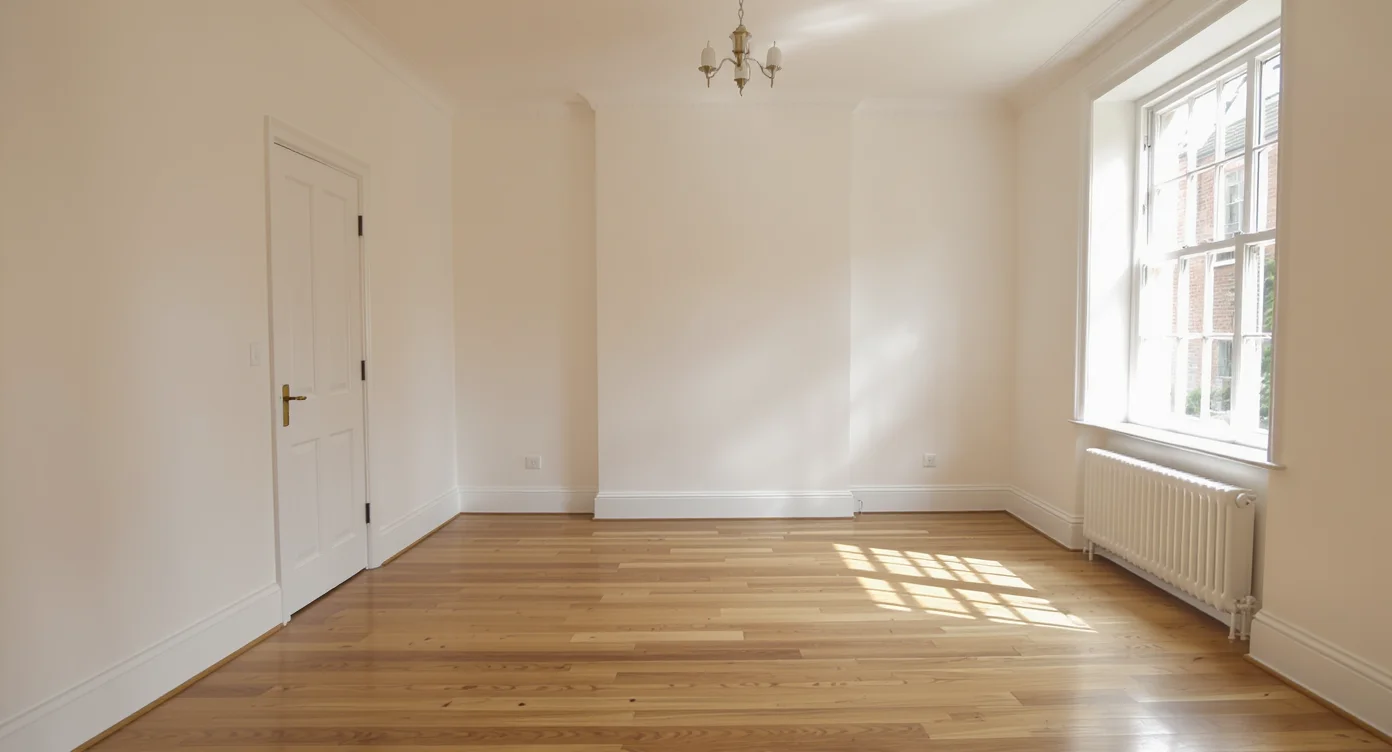
A vacant flat still needs care. The full guide covers security, damp, heating, plumbing, electrical safety, insurance vacancy thresholds, leasehold obligations that continue while empty, presentation for viewings, and what to do if a flat has been empty too long without a buyer.
Pages on the rest of the site that cover the practical issues for each of these situations.
Inherited Flat (Probate)
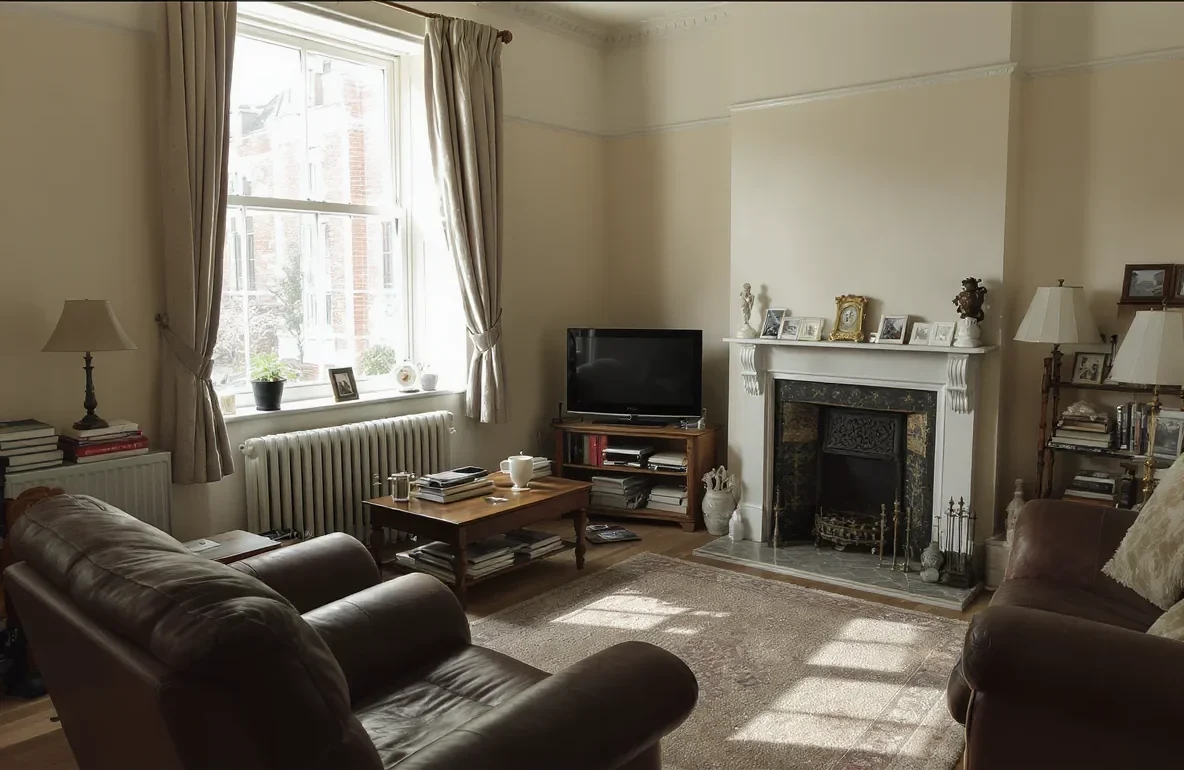
Selling a flat inherited as part of an estate. Probate must usually be granted before completion can take place, but the flat can be marketed and an offer accepted before that. Practical guidance on timing, paperwork, and selling routes.
Sales fall through for a range of reasons: lender concerns on the lease, surveyor flags on the building, a chain breaking elsewhere. The next step is often to choose a different route rather than relist on the same terms.
Selling a flat with a sitting tenant: investor-buyer pool, the impact on price, the new Renters' Rights Act 2025 framework, Ground 1A notice for sale, and the option of selling vacant or with a tenant in place.
A flat that has been listed for months without a sale. The most common reasons are predictable: management pack delays, lease length, freeholder responses, building safety, mortgage lender concerns. Each is fixable with the right action.
Selling against a fixed deadline, typically a job move or a chain completion. Realistic timescales by route: open market 8 to 14 weeks, auction 4 to 8 weeks, cash buyer 3 to 6 weeks. Knowing which routes can finish in your window is the starting point.
Where the lease has fallen below 80 years, has an onerous ground rent clause, or has another defect that lenders will not accept. The practical options: extend the lease, get a deed of variation, indemnity insurance, or sell as-is.
Most situations have predictable practical issues. Three principles apply across all of them, and applying them early reduces the chance of surprises mid-sale.
Identify what is specifically different. Empty flat? You need vacancy maintenance and the right insurance. Inherited? Probate timing changes the picture. Tenanted? The buyer pool is investor-led. Naming the difference precisely makes the planning easier.
Get an indication from each realistic route. Open market via estate agent, auction, and direct cash buyer. Each tells you something different. The comparison shows what you would actually achieve, after factoring in fall-through risk and the carrying costs of a longer sale.
Disclose what is true upfront. Issues that surface late (a service charge dispute, a defective lease clause, a previous failed sale) cause buyers to renegotiate or withdraw. Disclosing them in the listing or at offer stage lets the buyer factor them in from the start, reduces the chance of failed sales, and reduces post-completion legal risk.
Where the situation is genuinely difficult (a short lease, a hostile freeholder, a fallen-through chain, a tight deadline), accepting a price slightly below open-market value in exchange for certainty often makes more sense than continuing on the open market. The right answer depends on how much you value speed and certainty against price, which is a personal call rather than a market one.
Routes by Urgency
Different situations have different urgency profiles. The right sale route follows the urgency rather than the other way round.
No urgency: open market via estate agent. 8 to 14 weeks from offer to completion, plus marketing time. Highest potential price, widest buyer pool. Best where the lease is over 85 years and there are no significant complications.
Defined deadline (1 to 3 months): auction or specialist cash buyer. Auction produces a binding sale on the hammer date, typically 4 to 8 weeks total. A direct cash buyer usually completes in 3 to 6 weeks. Both routes price slightly below open-market value in exchange for certainty.
Urgent (under 1 month): direct cash buyer, ideally with the management pack already requested. 3 to 5 weeks is achievable if the leasehold paperwork is in hand from the start. The trade-off is a clearer price discount versus open market.
Stalled or fallen through: any of the three above can work, but the comparison is most clarifying. Many sellers with stalled sales find auction or cash buyer is the best practical step forward. For some, a refreshed listing on the open market with disclosed issues and a more leasehold-experienced solicitor is the right answer.
Where multiple routes are realistic for your specific situation, getting an indication from each (an estate agent appraisal, an auction view, a direct cash buyer offer) gives the clearest picture of what each one would achieve in net terms. Each is free and indicative; getting one does not commit you to the route.
Frequently Asked Questions
Anything that means the seller cannot run a normal open-market sale on a normal timescale. The most common examples are: a flat sitting empty (often after a tenant leaves or after inheritance), a flat that has been inherited and may need probate before sale, a sale that has fallen through and needs restarting, a tenanted flat where the seller is a landlord exiting, and a sale running against a tight relocation deadline. Each has its own practical issues that change how the sale is best approached.
Not the underlying market value, but it can affect the achievable price on the route you choose. A vacant flat that has been on the market for six months sells for less, on average, than the same flat marketed fresh. A tenanted flat sold to an investor with the tenant in place typically prices in a 5 to 15 percent discount versus vacant possession. A cash buyer route is below open-market on any flat, in exchange for speed and certainty. The market value of the flat itself does not change; what changes is what each route can realistically achieve.
Yes, and many sellers do. Stalled open-market sales (typical after 4 to 6 months unsold) often migrate to auction or to a direct cash buyer. Stalled cash sales sometimes go back to the open market with a refreshed listing. The cost of switching is mostly the time already invested; legal work done can usually be re-used by a new buyer's solicitor with minor updates. Where switching is being considered, getting a current valuation and a current cash offer in parallel gives the clearest picture of what each next step would actually achieve.
Typically 3 to 6 weeks from instruction to completion. The main variable is leasehold-specific paperwork (the management pack, lease enquiries) which still has to come from the managing agent. Where the management pack is already in hand, completion can be achieved in 3 weeks; where it has not yet been ordered, expect 5 to 6 weeks. The trade-off is a price below open-market value, in exchange for the certainty and speed.
Often yes, particularly for empty flats, short leases, fallen-through sales, and properties that have already been on the open market without progress. Auction produces a defined date, a binding contract on the hammer falling, and a buyer pool dominated by investors who are comfortable with leasehold complications. The trade-off is that the achieved price is typically below open-market value, and there is no guarantee the property will reach its reserve. For sellers who need certainty more than maximum price, it is worth considering.
Get an indication from each. An estate agent can give an open-market appraisal; an auction house can give an auction valuation and reserve guidance; a specialist cash buyer can give a direct offer. Each tells you something different. The comparison usually clarifies which route fits your circumstances best, and you are not committed to any of them by getting an indicative figure. Most sellers find this comparison clarifying, even if they ultimately stay on the open-market route.
Ready to Get a Cash Offer for Your Flat?
We buy leasehold flatsin difficult situations:empty,inherited,after a fallen-through sale,with a tenant.