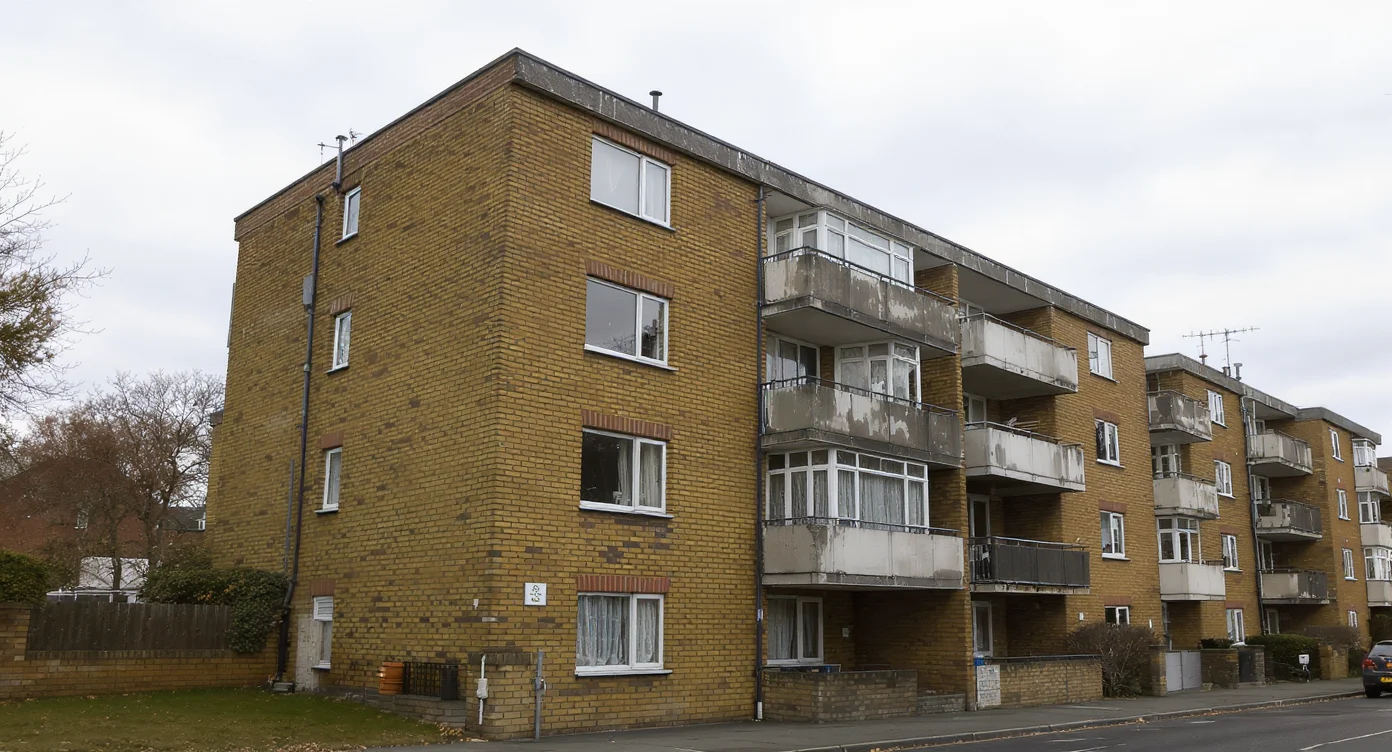
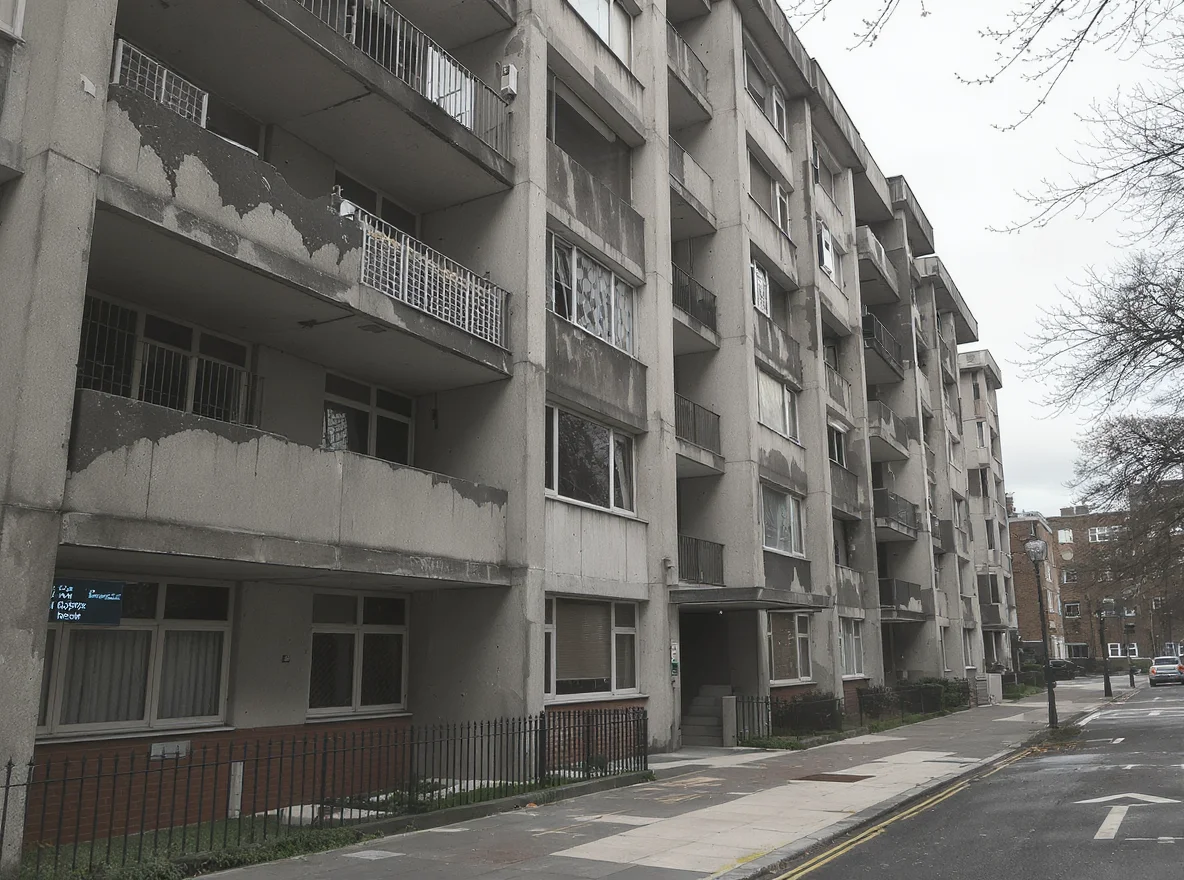
Short lease, defective lease, unmodernised, probate: we buy leasehold flats that are difficult to sell through conventional routes. Cash offer in 24 hours. No estate agent.
We buyShort lease flatsEx-council flatsDefective leaseProbate flatsUnmodernisedUnmortgageableStudio flats
What "We Buy Any Flat" Actually Means
Most cash buying companies that claim to buy any property quietly exclude the difficult ones: short lease flats, ex-council blocks, properties with defective leases or large service charge arrears. Those are often the very properties where sellers need the most help.
We focus specifically on leasehold flats, including the ones that are hardest to sell. Our specialism is in the complications: short leases, absent freeholders, problematic managing agents, lease defects. These are exactly the cases conventional buyers walk away from, and the ones we are best placed to help with.
We are transparent that we buy below open market value. That is the trade-off for speed and certainty. For some sellers, that trade-off is worth it. For others, a traditional sale may suit better. We will set out the options so you can decide what works best for you.
Types of Flat We Buy
We buy leasehold flats across England and Wales, in any condition.
Problems with the freeholder or managing agent can also make leasehold flats difficult to sell. Buyers and their solicitors usually need information about how the building is managed, how service charges are handled and whether there are any upcoming works or disputes affecting the block.
When the freeholder or managing agent is slow to respond, or in some cases cannot be easily contacted at all, this can create significant delays in the conveyancing process.
Managing agents who are slow to provide documents (management packs and service charge information can take weeks or months to obtain)
Incomplete management information (missing insurance details, service charge accounts or maintenance records)
These types of issues can make buyers nervous, particularly if their solicitor cannot obtain the information required to advise them properly. Mortgage lenders may also be cautious if the management arrangements for the building are unclear.
We specialise in leasehold flats, so we are used to investigating these situations early in the process. In some cases the issues can be resolved by obtaining the necessary information. In others, the complexity simply needs to be taken into account when assessing whether a purchase is possible.
How Our Flat Buying Process Works
Seven straightforward steps from initial contact to completion.
1
Get in touch
Call us on 020 7183 5114 or complete our online form with your flat details: address, approximate lease length and any complications you are aware of.
2
Initial review
We research the lease, the title register and any known issues before making an offer. This means any offer we make is realistic. We carry out as much of the work as possible early in the process, rather than leaving things until the last minute.
3
Discussion
We will ask follow-up questions about the flat, your timescale and your situation. This is also your opportunity to ask us anything about the process.
4
Property viewing
We arrange a convenient time to view the flat. Condition matters, but it rarely prevents us from proceeding: we assess what work is involved and price accordingly.
5
Formal offer
If we are proceeding, we make a written cash offer. The figure is based on the lease length, condition, location and any complications. This is where we set ourselves apart from most other buyers: our offers are well researched before solicitors are instructed.
6
Solicitors instructed
Both sides instruct solicitors. We have experience of leasehold conveyancing and our solicitors are familiar with the types of issues that arise in these transactions.
7
Completion
Funds are transferred and the sale completes on your chosen date. You pick the date that works for you: we do not pressure you into a timeline that does not suit your circumstances.
Why Being Realistic Early Matters
In the quick-sale property sector, sellers sometimes receive very high initial offers that later change once the buyer begins reviewing the legal details of the property. While these early figures can sound appealing, they do not always reflect the true complexity of the flat being sold.
Leasehold properties in particular can contain details that significantly affect value: lease length, ground rent terms, service charge arrangements or issues with the building management. If these factors are not properly considered at the start, the offer may need to be reduced later in the process.
When this happens it can lead to:
Renegotiation once the buyer's solicitor reviews the lease
For sellers, this can be frustrating, particularly if they have already invested time and legal costs into the transaction.
Our preference is to understand the property properly before putting forward an offer. By reviewing the lease and asking questions early in the process, we aim to make a realistic proposal that reflects the true circumstances of the flat. While this may sometimes result in a lower initial figure than an optimistic headline offer, it tends to make for a smoother and more reliable transaction.
The high headline offer
Day 1
A big number lands, sometimes without a viewing or any real questions
Weeks 3 to 5
Survey and legal review begin; the lease and charges surface
Weeks 5 to 8
The offer drops, sometimes dramatically
Outcome
Renegotiate under pressure, or the sale collapses and the clock restarts
The researched offer
Day 1
Questions first: the lease, the charges and the building before any figure
Days 2 to 3
A realistic written offer that already reflects the flat's circumstances
Weeks 1 to 4
Conveyancing with no surprises; the offer holds
Outcome
Completes as agreed, on the date you chose
The lower researched figure and the high headline figure often end up in the same place; only one of them gets there calmly.
How Quickly Can You Sell?
Leasehold sales through estate agents typically take 8 to 14 weeks of active sale, plus 4 to 8 weeks of marketing time before that, totalling three to six months when everything runs smoothly. Complications with the lease, delays obtaining management information or mortgage issues on the buyer's side can push that out considerably further.
Selling to a direct buyer removes the main sources of delay. There is no property chain, no mortgage to arrange and fewer parties involved. We can typically complete in three to four weeks from acceptance of an offer.
If you need longer (to arrange your onward move, wait for probate to be granted or manage a tenant's departure), that is fine. You set the completion date.
24hrsCash offer turnaround
3-4Weeks to completion
20+Years buying property
Why Some "We Buy Any" Companies Do Not Actually Buy
Many companies that advertise cash buying are not buyers at all. They are lead generators who take your details and sell them to investors, or intermediaries who add a markup between you and the actual buyer. This often leads to a high initial offer that gets reduced, sometimes significantly, after surveys and legal review.
There are hundreds of companies trading on some version of "we buy any" property, and their business models vary enormously. Some are straightforward about what they do; many are not. Much of what we know about the murkier end of the sector comes from sellers who ring us after a bad experience, usually one that involved being let down at the last minute. Sellers at the start of the process ask us about specific companies too: they have an offer on the table and want to know whether the firm behind it can be trusted. We never comment on named companies. Business models shift with market conditions, operators enter and leave the market all the time, and last year's genuine buyer can be this year's broker. What we can offer instead is the three tips below, which hold true whoever you are dealing with.
Behind a "we buy any" advert sits one of four business models
Genuine cash buyer
Buys with its own funds; a straightforward, direct sale.
Broker or middleman
Sits between you and the real buyer, adding a margin; often behind the lock-in agreement.
Lead generator
Not a buyer at all: takes your details and sells them on to investors.
Estate agent in disguise
The "buy quick" advert converts to a "panel of investors" sale: an agency listing in all but name.
The advertising looks the same for all four. The tips below work whichever one you are talking to.
We are LDN Properties Limited. We buy with our own funds. We do not pass your details to a third party or use your flat as a listing for another buyer. You deal directly with us throughout. We are registered at Companies House (04636129) and are a member of The Property Ombudsman (D12463).
If our offer is not right for your situation, we will tell you honestly, and we may suggest alternatives such as an auction if we think that could achieve a better outcome for you.
Three Tips Before You Sign Anything
Whoever you are talking to, three checks protect you from most of what goes wrong in this sector.
1. Be careful what you sign
This is the most important tip of the three, and the advice is blunt: don't sign anything. A common approach among the less straightforward operators is to make a high, attractive offer, sometimes without even viewing the property, then ask you to sign a short agreement to accept it, often a quick e-signature link. It is presented as good news: congratulations, your offer is ready, just sign here and we will take care of the rest. In the heat of the moment, and with a little pressure applied, plenty of sellers sign without giving it much thought.
What that signature usually does is lock you out of selling to anyone else for two or three months. The company now controls the sale, and one of three things tends to follow: the price gets chipped down, the sale is brokered on to someone else, or the deal is quietly dropped months later when the contract cannot be turned into money. If you are selling direct, you should not have to sign anything except the contract of sale issued by your own solicitor.
The offer
A high, attractive figure, sometimes without a viewing
"Just sign here"
Congratulations, your offer is ready; a quick e-signature to accept
Locked in
You cannot sell to anyone else for 2 or 3 months; the company controls the sale
The endgame
One of three endings: the price gets chipped, the sale is brokered on, or the deal is quietly dropped
The "sign here to accept" trick, start to finish. The signature is the whole game: everything difficult happens after it.
The industry has moved a long way over the past 10 or 20 years, but this behaviour has deep roots. Some of the original home-buyer companies would make an offer, then charge the seller a fee of several hundred pounds to accept it. The company's survey would follow, the offer would be dramatically reduced, and sellers who rejected the reduced figure lost their fee. When the Office of Fair Trading studied the quick-sale market in 2013, it found post-valuation price cuts averaging 22 percent in the complaints it reviewed, alongside exclusivity agreements that tied sellers in. The fee-first model has largely gone. The lock-in agreement has not.
2. Use your own solicitor
Never take free legal services from the other side of the negotiating table. For most people the home is their biggest asset, and your solicitor is there to protect it; that only works if the solicitor is genuinely yours. Convincing investment scams come to light every year, increasingly so, and property is no exception. Instructing your own solicitor is one of the strongest protections there is.
A solicitor who acts for you must act in your best interests under the Solicitors Regulation Authority's rules, whoever recommends or pays them; there is no lawful opt-out from that duty. The practical problems sit elsewhere. A firm recommended and paid by the buyer earns its repeat business from the buyer. You may be asked to sign a consent letter so that one firm can act for both sides of the transfer, which is a red flag in itself. And a free retainer can be drawn narrowly enough that very little advice is actually owed to you. Independent means chosen, instructed and paid by you.
3. Look out for the "panel of investors" switch
If a company responds to your enquiry by offering to sell your flat to its panel of investors, for free, that tells you everything you need to know. It is an estate agency sale in all but name, usually less reliable and with a higher overall cost, and it is pitched as a last attempt to make something of your enquiry rather than give you a straight no. The same service travels under other names: a network of buyers, pre-approved buyers, a database of investors.
Much of this dates from the stamp duty increases on additional properties, which hit genuine cash buyers' margins hard. Some scaled back, others switched to brokering, and many kept the "buy in 7 days" advertising that generates the leads. If an investor sale appeals, talk to local estate agents on your patch instead: they work with local investors who are more reliable, will almost always offer more and charge a lower overall fee.
If you are helping a vulnerable person sell, take these tips doubly seriously. The pattern that catches people out is the path of least resistance: no difficult questions, a warm congratulations and a signature request, with the hard work arriving only after the agreement is signed. Don't rush anything, don't sign anything and treat pressure to move quickly as a reason to slow down. And if you have already signed something you are unsure about, show it to your own solicitor before doing anything else.
How to Recognise a Genuine Buying Company
A genuine buying company will not waste your time or theirs. The pattern is consistent:
A genuine buying company
Straightforward, whoever it is
A realistic offer: typically 70 to 85 percent of market value, depending on the property and the buyer's costs, stamp duty in particular
Nothing for you to sign
Happy for you to use your own solicitor
A straight "we can't help" where the flat is not right for them
The only document needing your signature is the contract of sale from your own solicitor
Warning signs
Any one of these deserves caution
A high offer with a "just sign here to accept" agreement
Insistence on their recommended solicitor
Talk of panels of investors or networks of buyers
An offer that only starts moving once you are locked in
Pressure to move quickly is a reason to slow down
Had a poor experience with a property buying company, or in the middle of one now? Call us and tell us about it. If things have not gone too far, we may be able to suggest other options or point you in the right direction on getting out of an agreement you have signed. Knowing the tactics in circulation also helps us warn other sellers. Standards in the industry need improving, and although membership associations and redress schemes exist (we are members of The Property Ombudsman ourselves), there is no statutory regulator; nothing like the regime financial services operate under. And most people feel too embarrassed to complain afterwards, so poor practice persists. Our guide to mistakes to avoid when selling to a quick-sale company covers the questions worth asking before committing to anyone, including us.
Alternatives to Selling to a Cash Buyer
A direct sale is not always the right answer. Here are the main alternatives.
Selling Through an Estate Agent
For many flat owners, using an estate agent and marketing the property on the open market is the most appropriate route. If the flat is in good condition, has a long lease and is likely to attract mortgage buyers, an estate agent can help expose the property to a wide audience. This approach can sometimes achieve the highest possible sale price, although it may take longer and depends on finding the right buyer.
Selling at Property Auction
Property auctions can be another option, particularly for flats that are harder to sell through traditional marketing. Auctions provide a clear timetable, and once the hammer falls the sale becomes legally binding, reducing the risk of a buyer withdrawing late in the process. Auction sales do require careful preparation, and the final price depends heavily on bidding interest on the day.
For some sellers, particularly those dealing with leasehold complications or a previous sale falling through, a direct sale to a specialist buyer may offer a simpler and more predictable alternative.
Estate agent
Targets full market value
Typically 3 to 6 months in total, with fall-through risk
Unconditional auction
Typically 80 to 90 percent of market value
Binding on the hammer; completion 28 days later
Direct cash sale
Typically 70 to 85 percent of market value
No fees, no chain; completion in 3 to 6 weeks
The trade-off in one view: price against speed and certainty. The right route depends on which of the two you need more.
Is Selling Your Flat to a Direct Buyer Right for You?
Selling to a direct buyer is not the right solution for every seller, but it can be a good option in certain circumstances. A direct sale is often most suitable for sellers dealing with complications that make the traditional estate agent route more difficult: flats with leasehold issues, properties requiring refurbishment or situations where a previous buyer has withdrawn late in the process.
A direct buyer may be a good option if:
A previous sale has fallen through
The flat has a short lease or lease complications
The property requires refurbishment or improvement
You would prefer a clearer and more predictable sale process
If a flat is in good condition, has a long lease and is likely to appeal to mortgage buyers, marketing through an estate agent may achieve a higher price. The best approach will always depend on the circumstances of the property and your own priorities. Our role is simply to offer an alternative route for sellers who may benefit from a more straightforward way to sell.
Frequently Asked Questions
We are willing to consider flats in a wide range of situations, including properties that may be harder to sell through an estate agent (short leases, properties needing refurbishment or sales that have previously fallen through). It does not mean every flat will be suitable, as each property still needs to be assessed individually.
The process usually begins with an initial discussion about the property, followed by a review of the lease and key information about the building. We may then arrange a viewing to inspect the flat. If we decide the property is suitable, we will make an offer and solicitors can be instructed to begin the legal process. Once the conveyancing is complete, the sale can be finalised.
We can typically complete in three to four weeks from acceptance. If you need longer (for example to arrange your onward move or wait for probate), that is not a problem. You choose the completion date. The exact timeline depends on the circumstances of the property and the legal work involved.
Yes, this is one of our core specialisms. We regularly consider flats with short leases. Short leases can make it difficult for buyers to obtain a mortgage, which limits the number of buyers on the open market. We assess the lease length and factor this into our offer.
Yes, we often consider flats that require refurbishment or modernisation. Properties that need updating may be less attractive to buyers who want a move-in-ready home. We assess the flat in its current condition and take the likely cost of improvements into account when deciding whether to make an offer.
Yes. Many sellers contact us after a sale has fallen through. Leasehold complications, mortgage issues or delays during conveyancing can sometimes cause buyers to withdraw late in the process. Selling directly to a specialist buyer can provide a more certain route to completion.
No. We only purchase flats with vacant possession, so any tenancy must have ended before the sale completes. Since 1 May 2026 that normally means serving a Section 8 notice under Ground 1A (4 months' notice), which is a significant commitment; our guide to the steps to take when selling a tenanted flat covers what is involved.
No fees from us. There is no estate agent commission to pay. The trade-off is that our offer will be below the full open market value: this reflects the speed, certainty and convenience of a direct sale, as well as the work and risk we may take on when buying a flat with complications.
No, and we are transparent about this. Cash buyers pay below open market value in exchange for speed, certainty and a chain-free sale. Once you factor in estate agent fees, solicitor costs and potentially months of mortgage payments during a slow sale, the difference is often smaller than it first appears.
Yes, we may still consider flats where the lease contains defects or unusual clauses. These issues can sometimes make a property difficult for mortgage buyers to purchase. We review the lease and assess whether the issue can be resolved or whether it can simply be reflected in the offer price.
In some cases, yes. An absent freeholder can complicate a sale because buyers and their solicitors often need information about the building and lease structure. As specialists in leasehold flats, we can review the situation and decide whether it is possible to proceed.
This is a common issue with leasehold sales. Buyers' solicitors normally need a management information pack containing service charge accounts, insurance details and other information about the building. If the managing agent is slow to respond, it can delay the sale. We try to review these issues early in the process so they do not cause problems later.
Yes, we may still consider flats where service charges are high or major works are planned. These issues can affect buyer demand and property value, but they can often be assessed and factored into our offer.
Yes. Flats that have been on the market for a long time often have underlying issues such as lease length, service charges, building management problems or limited buyer demand. We regularly review flats where sellers have struggled to find a buyer through the traditional route.
We are LDN Properties Limited, a genuine cash buyer with over 20 years of experience. We buy with our own funds and do not pass your property on to another buyer. We are registered at Companies House (04636129) and are a member of The Property Ombudsman (D12463).
Ready to Get a Cash Offer for Your Flat?
We buy leasehold flats. No estate agent. No public viewings.