
News · 24 November 2026
A Brief History of Leasehold in England, and What Comes Next
Leases, which give the right to use land for a fixed number of years, have existed in England for about a thousand years. Flats have been sold on long leases in large numbers only since the Second World War. Many other countries own flats outright, and a Bill now before Parliament would do the same for new flats here.
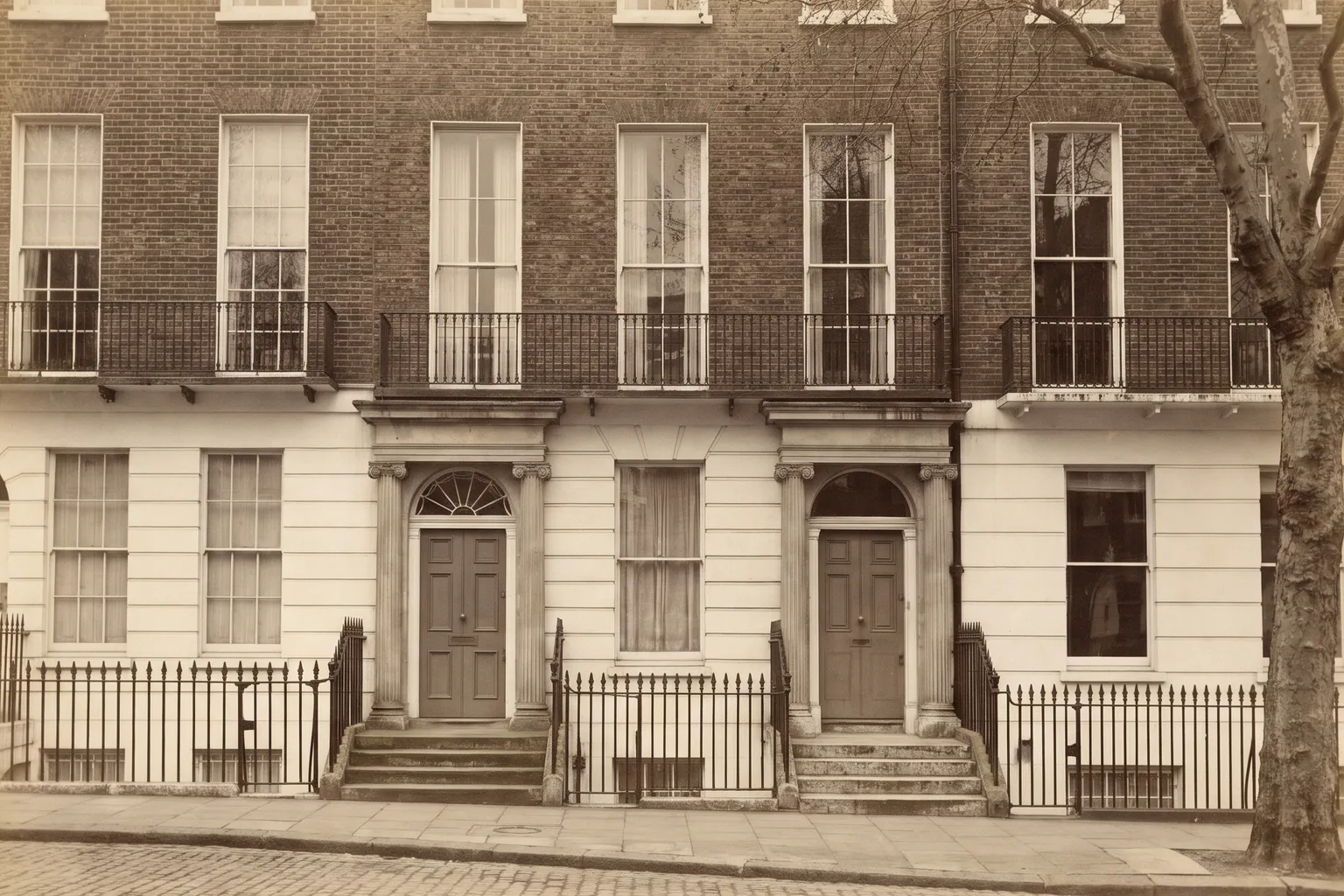

On 19 November 2026 the government introduced the Commonhold and Leasehold Reform Bill in Parliament. Its announcement promised "landmark laws to end the 1,000-year-old leasehold system", and the housing minister, Matthew Pennycook, called leasehold "an anachronism in the twenty-first century".
Leases of land are indeed about a thousand years old. Most of what the Bill deals with is much newer: flats have been sold on long leases in large numbers only since the middle of the last century. About 4.9 million homes in England are now leasehold, which is one in five.
If you want to know what the Bill would change for a sale, our article on the Bill entering Parliament covers it.
What Leasehold Is
A lease gives you the right to a property for a fixed number of years. The land and the building belong to the freeholder, and when the lease runs out the property goes back to them. Until then you can sell the lease, mortgage it or leave it in your will, which is why buying a long lease is treated as buying a home.
The lease also sets out who does what. In a building of flats the freeholder usually insures and repairs the structure, and the leaseholders pay for that through a service charge. Many older leases also charge ground rent, a yearly payment to the freeholder.
In 2024 to 2025 there were an estimated 4.9 million leasehold homes in England: 3.38 million flats and 1.52 million houses. Our guide to leasehold, freehold and share of freehold explains the differences in detail.
Where Leasehold Came From
A farmer's agreement
The lease began as an agreement, not as a kind of land ownership. Medieval landowners granted the use of land for a set number of years in return for rent. Historians have found a few grants like this from before the Norman Conquest.
The law treated a lease as a lesser thing than land. The judge William Blackstone, writing in 1766, said the first leaseholders were farmers who were "considered as the bailiffs or servants of the lord". A lease counted as personal property, in the same class as furniture or livestock. In Blackstone's words, "an estate for a thousand years is only a chattel".
Over time the law came to treat a lease as property. The Law of Property Act 1925 named the lease, a "term of years absolute", as one of only two ways of owning land in law. The other is freehold.
Is leasehold feudal?
Ministers from both main parties have called leasehold feudal. The Law Commission, which advises the government on changes to the law, says the word is wrong about the history: "leasehold developed outside of the main feudal tenures and later in time. Leases began as contracts, not interests in land."
The Commission does not dismiss the word altogether. It says the language of feudalism "reflects the power imbalance experienced by leaseholders".
How London was built on leases
From the 1600s the lease became a way to build towns. A landowner with fields on the edge of London often could not sell them: many family estates were held under legal settlements that made the current owner only a tenant for life. Granting leases got round that. The landowner kept the land, a builder put up the houses at their own cost and the estate collected a ground rent.
One of the earliest examples is Covent Garden. In 1631 the Earl of Bedford paid the King £2,000 for a licence to build, then granted leases to the men who built the houses. Most were for 31 years and some for up to 41. The Survey of London, the detailed history of the capital's buildings, calls it "the first planned layout of any consideration in the expansion of London beyond the City".
The terms grew longer as the practice spread, and 99 years became common. The great London estates were developed this way: the Grosvenor family's Mayfair from 1720 and Belgravia from the 1820s, the Portman estate in Marylebone from the 1760s and the Cadogan estate in Chelsea from 1777.
When a building lease ended, the land went back to the estate with the house on it, and nothing was paid for the building. Nobody has found a convincing reason why 99 years became the usual term. The popular explanations, such as an old law against leases of 100 years, have no evidence behind them.
How a building lease worked
The arrangement that built much of Georgian and Victorian London.
- Year 1 The estate grants a lease The landowner leases a plot to a builder, typically for 99 years, at a small yearly ground rent.
- Years 1 to 99 The builder pays for the house The builder puts up the house at their own cost and sells the lease. Each owner after that pays the ground rent.
- Year 99 The house goes to the estate The lease ends. The land returns to the landowner with the house on it, and nothing is paid for the building.
The estates kept the habit of leasing and not selling. When the United States built its embassy on Grosvenor Square in the 1950s, it took a 999-year lease. The story told in the property trade is that the Duke of Westminster would sell the freehold only if the United States returned his family's land in Florida. Grosvenor's estate surveyor told Property Week in 2018: "It wasn't the duke himself, but the duke's agent." The land was the family's holdings in Florida and "not the whole of Florida", he said, but "yes, the story is true".

Rents you could hold in your hand
Not every rent was money. A peppercorn rent, now the legal term for a rent of nothing, was once a real peppercorn: a will made in Northumberland in 1623 leaves a house for 60 years "paying a peppercorn yearlie". The law that banned ground rent on new leases in 2022 still defines a peppercorn rent as "an annual rent of one peppercorn".
Some rents are still paid in objects, not money. Each autumn the City of London hands a court official, the King's Remembrancer, two knives, six horseshoes and 61 nails at the Royal Courts of Justice. They are the rent for a piece of land in Shropshire, first recorded in 1211, and for a forge that once stood near the Strand. These are quit rents, not leases. A quit rent was a fixed payment that someone who held land made to their lord, or to the Crown, in place of the services they owed, such as work on the lord's land. Paying it left them "quit" of those services, which means free of them. The ceremony is said to be the oldest legal ceremony in England after the Coronation.
The Duke of Wellington holds the Stratfield Saye estate in Hampshire for a rent of one flag, due to the monarch each year on 18 June, the anniversary of the Battle of Waterloo. And in 1722 Sir Hans Sloane leased four acres in Chelsea to the Society of Apothecaries for £5 a year for ever. The land is still the Chelsea Physic Garden.
Four rents that were never about the money
- One peppercorn The legal term for a rent of nothing. The Leasehold Reform (Ground Rent) Act 2022 defines it as "an annual rent of one peppercorn".
- Two knives, six horseshoes and 61 nails Paid each autumn by the City of London for land in Shropshire and a forge near the Strand. The land's rent was first recorded in 1211.
- One flag Due to the monarch each 18 June, the anniversary of Waterloo, from the Duke of Wellington for the Stratfield Saye estate.
- £5 a year, for ever Agreed in 1722 for four acres in Chelsea, leased by Sir Hans Sloane to the Society of Apothecaries. It is still the Chelsea Physic Garden.
Why flats ended up leasehold
For most of this history, flats were rented. In 1915 about 90 percent of homes in Britain were occupied by people who rented them. Rent controls arrived that year and stayed in some form until 1989, which made renting flats out less profitable. In the decades after the Second World War, landlords began to sell flats to occupiers on long leases instead.
Landlords sold the flats on leases, not as freeholds, for a legal reason. English law has a rule, traced back to a court case of 1834, that a duty to do something or to pay for something does not pass to later owners of freehold land. In a building of flats that leaves a serious gap. The owner of the top flat needs the owner of the ground floor flat to keep the walls standing, and every owner needs the others to pay towards the roof. A lease can carry those duties from one owner to the next.
Lenders would not lend on a flat unless those duties could be enforced. As one MP told the House of Commons in 1963, "no building society can give an advance on a freehold flat in this country". So the leasehold flat, the subject of most of the Bill, became common only about 70 years ago.
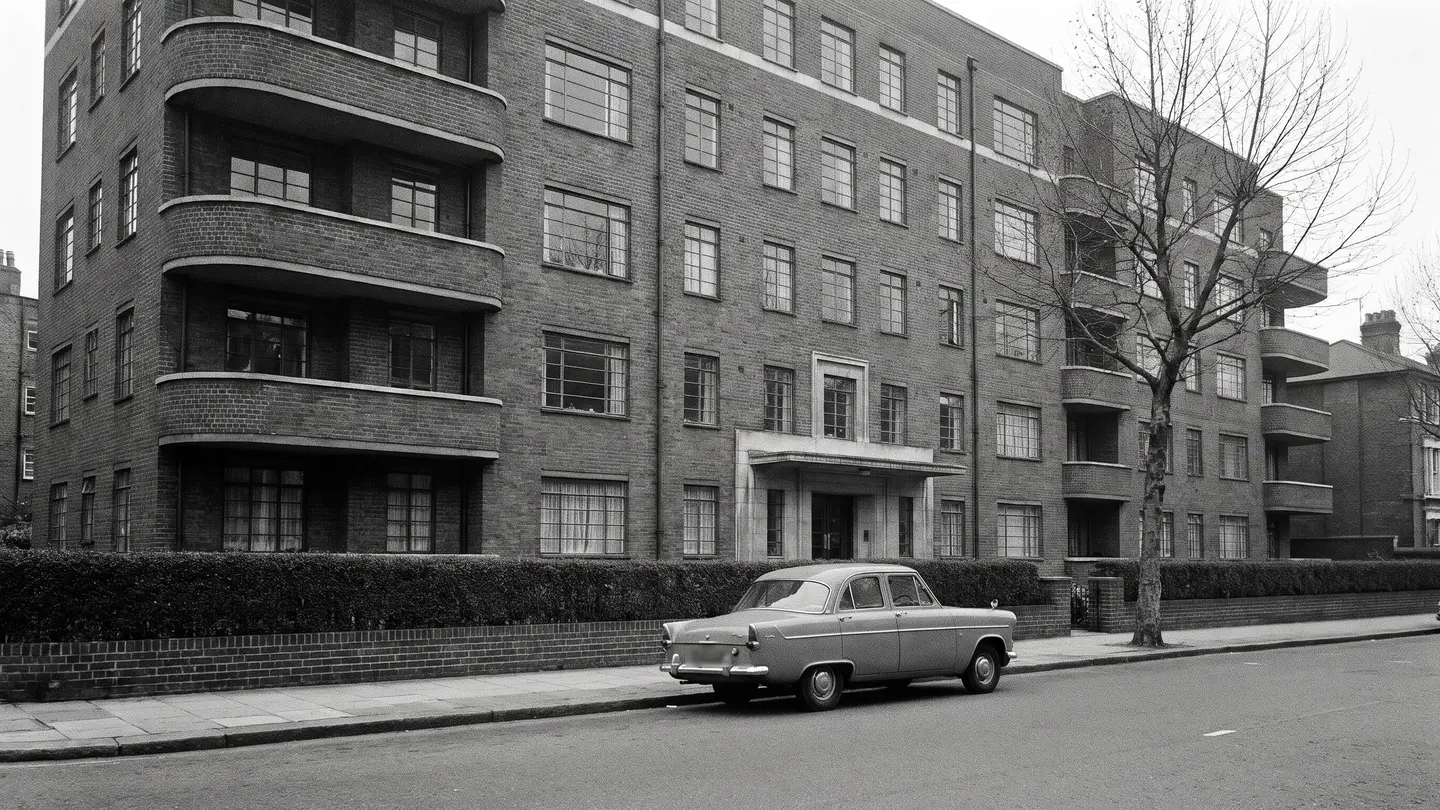
More Than 140 Years of Trying to Change It
Complaints about leasehold are not new. A Bill to allow leaseholders to buy their freeholds was first put to Parliament in 1884. Another, in 1891, was defeated by 181 votes to 168.
The demand for change was strongest in South Wales, where many houses had been built on long leases in the second half of the 1800s. By the 1960s thousands of those leases were about to end, and families faced losing homes they had bought and kept up. A government paper of 1966 put the case in one line: "the land belongs in equity to the landowner and the house belongs in equity to the occupying leaseholder". The Leasehold Reform Act 1967 gave leaseholders of houses the right to buy the freehold or extend the lease.
The trustees of the Duke of Westminster's estate challenged the Act at the European Court of Human Rights. In 1986 the court ruled against them unanimously.
Flats had been left out of the 1967 Act. The government of the day said this was "for practical reasons such as the difficulties of flying freeholds", meaning a freehold that sits above someone else's property. Flat owners waited until 1993 for the right to extend their leases and to buy the freehold of their building together. The sixth Duke of Westminster resigned from the Conservative Party over it.
In 2002 Parliament created commonhold, a way of owning a flat outright with no lease and no freeholder. Nobody had to use it, and almost nobody did: fewer than 20 commonhold developments have been built.
The present round of reform began in 2017, after developers were found to have sold new houses on leases with ground rents that rose steeply. The Competition and Markets Authority investigated, and several developers and investors agreed to remove the terms. Ground rent was banned on most new leases in 2022. The Leasehold and Freehold Reform Act 2024 followed, although much of it is not yet in force.
Leasehold in 12 dates
- By the 1200sLandowners grant the use of land for a fixed number of years in return for rent.
- 1631The Earl of Bedford starts to build Covent Garden on leases of 31 to 41 years.
- 1834A court case sets the rule that later keeps flats from being sold freehold.
- 1884The first Bill to allow leaseholders to buy their freeholds is put to Parliament.
- 1925The Law of Property Act names the lease as one of two ways to own land in law.
- After 1945Landlords begin to sell rented flats to occupiers on long leases.
- 1967Leaseholders of houses win the right to buy the freehold or extend the lease.
- 1993Flat owners win the right to extend their leases and to buy the freehold together.
- 2002Parliament creates commonhold. It becomes available in 2004 and is rarely used.
- 2022Ground rent is banned on most new leases.
- 2024The Leasehold and Freehold Reform Act is passed. Much of it is not yet in force.
- 2026The Commonhold and Leasehold Reform Bill is introduced in Parliament.
How the Rest of the World Owns Flats
The government's case rests partly on a comparison. Its 2025 white paper says that, "unlike many other countries across the world that moved away from leasehold ownership structures long ago, flats here continue to be owned, almost universally, on a leasehold basis". That is true of many countries, but not of all.
Countries where you own the flat
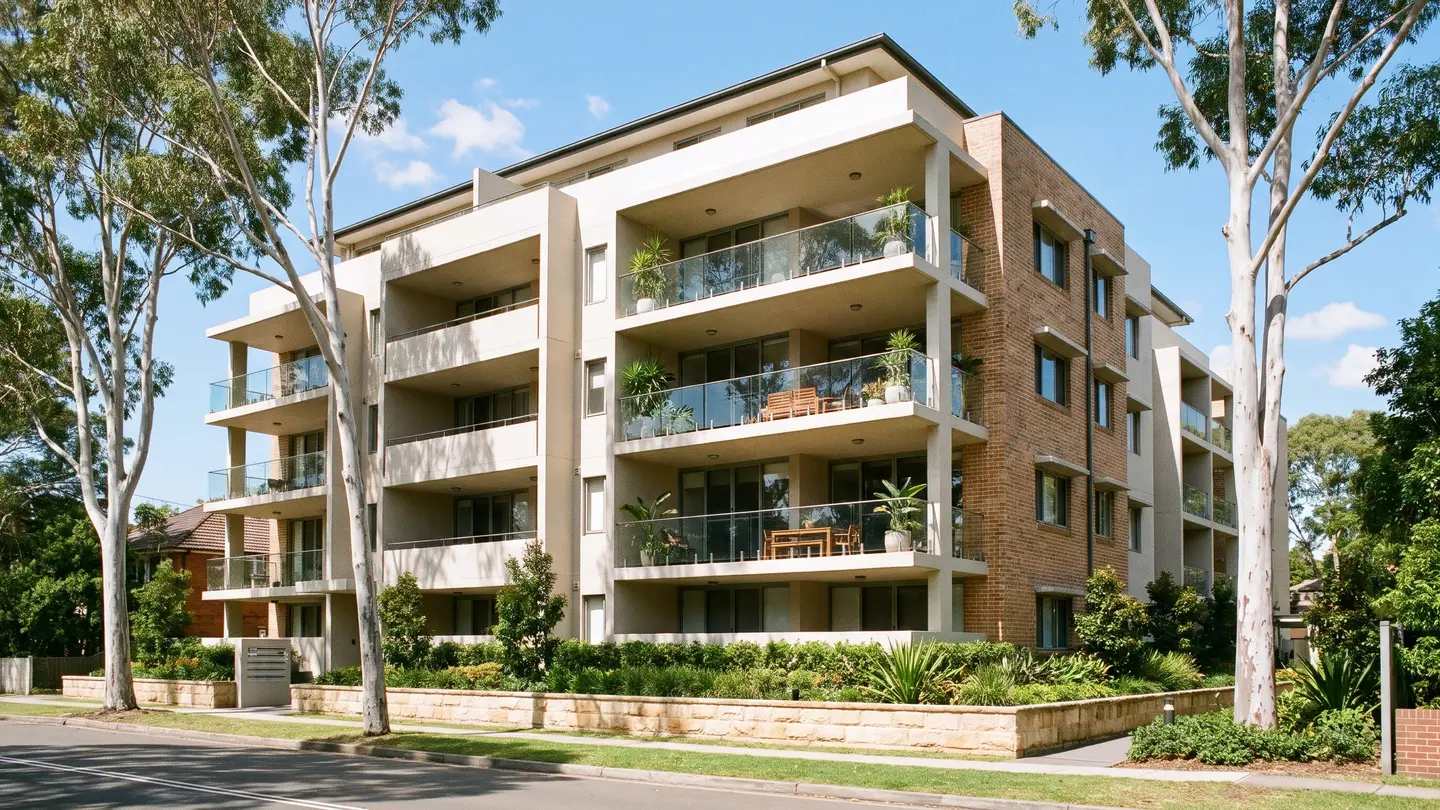
Most of Europe, North America and Australia use a form of ownership that goes by different names: strata title in Australia, condominium in North America, co-ownership in France. You own your flat outright, with no end date. You also share ownership of the structure and the shared areas with your neighbours, and you all belong to an owners' body that runs the building and collects the money to pay for it.
Germany's law dates from 1951 and France's current law from 1965. New South Wales passed its strata title law in 1961, which the white paper calls "one of the first forms of such homeownership to be introduced in the world". Puerto Rico passed a condominium law in 1958 and the idea spread across the United States in the 1960s. British Columbia and Alberta passed theirs in 1966.
Scotland is the closest example. Flat owners there own their homes outright, and a law of 2004 sets the rules for shared repairs where the title deeds are silent. New leases of homes for more than 20 years have been banned since 1974, and in 2015 most of the very long leases that remained were turned into outright ownership.
Places that still use leases
England and Wales are not the only places where flats are sold on leases. Northern Ireland stopped new long leases of houses under a 1997 law but made an exception for flats. Its Law Commission reported in 2013 that new flats were often sold on leases of "several hundred years". In the Republic of Ireland the Law Reform Commission reported in 2008 that most flats there are held on long leases, for the same legal reason as in England.
In parts of Asia the lease is the normal way to own a home, with the state as landlord. Singapore sells its public housing flats on 99-year leases, and about three quarters of residents live in public housing. Virtually all land in Hong Kong is leased from the government. In mainland China a home comes with the right to use the land for up to 70 years, and the law says that right renews automatically.
What sets England and Wales apart is who the landlord is. In Singapore, Hong Kong and China it is the state. Here it is usually a private company or person.
Places with both
Some places mix the two. Amsterdam has leased out city land since 1896, and in 2016 and 2017 it moved to leases that never run out. Flats in New Zealand are usually owned outright, but some in Auckland stand on leased land where the ground rent is reviewed every seven years. Hawaii has condominiums on leased land, where the landowner "has the right to take the property back" when the lease ends. British Columbia has flats sold on leases, often of 99 years, on land owned by universities and other public bodies.
How 12 places own their flats
The usual arrangement in each place. Several have exceptions, described above.
You own the flat
- ScotlandOutright ownership. Leases of homes for more than 20 years banned since 1974.
- FranceCo-ownership. The current law dates from 1965.
- GermanyOwnership of the flat, under a law of 1951.
- AustraliaStrata title, from 1961.
- United StatesCondominium, from the 1960s.
- CanadaCondominium or strata, from 1966.
You own a lease
- England and WalesA lease from a freeholder, usually a private one.
- Northern IrelandLeases of several hundred years.
- Republic of IrelandLong leases, with the owners running the shared areas.
- SingaporeA 99-year lease from the state for public housing.
- Hong KongLand leased from the government.
- Mainland ChinaA right to use state land for up to 70 years.
Owning the flat has problems of its own
Owning the flat does not make a building easier to run. In New South Wales a state survey in 2023 found that 53 percent of strata buildings registered between 2016 and 2022 had serious defects in the shared parts. In Florida part of a 12-storey condominium collapsed in 2021, killing 98 people. The state then tightened its law on building inspections and on the money that owners' associations must set aside for repairs.
Scotland has the same problem in a less dramatic form. A Scottish Parliament briefing in November 2026 said "there is not really a culture in Scotland of long-term saving by owners for future repairs". The Scottish Law Commission has proposed making an owners' association compulsory in every tenement.
When the Law Commission for England and Wales reviewed commonhold in 2020, it looked at these systems. It said it had "come across nothing to suggest that there are, or have been, calls to replace wholesale" any of them.
Why the Government Wants to Replace Leasehold
The government's argument is about control more than history. Its guide to the Bill describes "an inherent power imbalance between the millions of leasehold homeowners and their landlords, who have almost full control and say over the upkeep and management of their homes and the charges they pay".
The government makes four main complaints about leasehold:
- A lease runs out. The shorter it gets, the less the flat is worth and the more it costs to extend.
- The freeholder decides what is spent on the building, and the leaseholders pay the bill through the service charge.
- Leaseholders get nothing in return for ground rent. The Competition and Markets Authority told MPs it had seen "no persuasive evidence that ground rent was either legally or commercially necessary, or that consumers received anything in return". About 3.8 million leasehold homes in England and Wales have a ground rent, and between 770,000 and 900,000 leaseholders pay more than £250 a year.
- A freeholder can apply to take back a flat over a breach of the lease, a process called forfeiture. The government says this can put a home at risk "over unpaid sums as low as £350".
Many leaseholders are unhappy with what they pay. In the government's English Housing Survey, 62 percent of leaseholders who pay a service charge said it was too high.
The government does not claim that the replacement is perfect. The same guide says that "no form of homeownership is perfect, nor immune from disputes".
The Bill would make commonhold the standard for most new flats, cap ground rent on existing leases at £250 a year and make it easier for an existing building to convert. Our article on what the Bill means for flat sellers has the detail.
What the Critics Say
The Bill has critics on three sides, and they want different things.
Freeholders and investors
Freeholders object most to the ground rent cap, which changes leases that have already been signed. The Residential Freehold Association, which represents freeholders, calls it "a wholly unjustified and unprecedented interference with the property rights of investors". Its case is that ground rent is a rent agreed in a contract, not a fee for a service.
The sums are large. The government's own estimate is that the cap would move between £13.5 billion and £16.8 billion of value from freeholders to leaseholders. Insurers and pension funds hold some of those assets, and the Association of British Insurers told MPs that changing existing property rights "without compensation for those invested" would "set a troubling precedent". The housing minister's answer was that ground rents "are a niche investment".
Freeholders also say they do a job that somebody has to do. The average leaseholder stays about seven years, the association argues, so "the presence of a freeholder ensures that there is a party dedicated to the long-term oversight of the building".
Some of the largest freeholders have already challenged the 2024 Act in court on human rights grounds. The High Court rejected the claim in October 2025, and an appeal is still to be heard.
Lenders, builders and lawyers
The second group does not oppose commonhold but doubts that it is ready. It has been available since 2004 and barely used, so there is little experience of how it works in large buildings or in buildings with shops and offices.
UK Finance, which represents mortgage lenders, told MPs that its members "consider the existing leasehold market to generally work well for most homeowners". It also warned that the commonhold model "relies heavily on volunteer directors". The government says lenders with about 40 percent of the mortgage market, including Nationwide, HSBC and Barclays, are already open to lending on commonhold.
The Home Builders Federation supports the change "in principle" but said that "new build homebuyers should not be the subject of an experiment on its workability". The Law Society told MPs that "commonhold is most readily suited to wholly residential developments".
Then there is the work of running a building. Research for the government in 2023 found: "Most participants were not interested in personally playing an active part in the management of their building." The government expects most commonhold buildings to employ a managing agent.
Leaseholder campaigners
The third group says the Bill does too little and takes too long. The ban on leasehold applies to new flats, and the government expects it to start around 2031. Existing leases carry on unless the owners in a building choose to convert it.
The founders of the National Leasehold Campaign responded to the Bill by saying: "Commonhold cannot be a privilege reserved for future homeowners." Under the Bill, ground rent would not fall to nothing until 40 years after the cap starts, a wait the campaign calls "not acceptable". The committee of MPs that examined the draft Bill asked for 20 years.
The Bill also sets no limit on service charges.
Is Leasehold the Problem, or the Rules Around It?
Behind the argument about the Bill is a disagreement about what is wrong.
The case that the lease is the problem
On this view, no amount of regulation can put right an arrangement where one side decides and the other pays. A trustee of the Leasehold Knowledge Partnership, which campaigns for leaseholders, wrote in November 2026: "The landlord is spending other people's money, but the leaseholders who pay the bills may have little or no say in how it is spent." The Law Commission's answer is commonhold, where "the interests of those who make the decisions, and those who are affected by them, are aligned".
The second part of the case is that a lease always runs down. A flat on a lease loses a little of its value each year for that reason alone, however well the building is run, and the owner has to pay to extend it.
The case that the rules are the problem
On the other view, most of what leaseholders complain about is unfair terms or poor management, and both can be put right without ending leasehold. Ground rent is already banned on new leases. The 2024 Act, once in force, will let a leaseholder extend a lease by 990 years. The government has promised a regulator for managing agents.
People who hold this view point out that leaseholders already control many buildings, through a share of the freehold or the right to manage, and the problems do not go away. The Property Institute, the professional body for managing agents, told MPs that about 60 percent of the buildings its members manage are owned or controlled by their leaseholders. It said service charges in those buildings "are no lower than in those with a third-party landlord". Those figures come from the institute's own data.
The government has made a similar point itself. Its white paper says that for some owners a share of the freehold "has simply replaced one unaccountable decision maker for another".
What both sides accept
Some costs rise whatever the form of ownership. Insurance, safety work, energy and staff have to be paid for in a commonhold building as in a leasehold one. The committee of MPs concluded that commonhold "will not address some of the drivers behind rising service charges, such as inflation". A barrister who gave evidence to the committee made the same point about repairs: a roof costs the same to mend in either kind of building, as "the contractor will not care what the tenure is".
Both sides also accept that somebody has to insure the building, plan the repairs and collect the money. They disagree about who that should be and who that person answers to.
Two views of what is wrong with leasehold
The two sides agree on many of the problems. They disagree about the cause.
One view
Held by the government, the Law Commission and leaseholder campaigners
The lease
Replace it
One side decides, the other pays
The freeholder chooses what to spend and the leaseholders pay the bill. A lease also runs down, so the flat loses value unless the owner pays to extend it.
The answer on this view: commonhold.
The other view
Held by freeholders, managing agents and some lenders
The rules
Repair it
Unfair terms and poor management
Ground rent is already banned on new leases, and 990-year extensions and a regulator for managing agents are planned. Buildings run by their residents have disputes and rising costs too.
The answer on this view: better regulation.
What Happens Next
Whatever becomes of the Bill, leasehold will be part of the housing market for a long time. The housing minister has said that abolishing the existing leases outright "is almost certainly impossible". About a third of leases in England have more than 900 years left.
The Bill has had its first reading, and no date has been set for the next stage. If it passes, the government expects the ground rent cap in 2028, the new form of commonhold around 2029 and the ban on leasehold for new flats around 2031. Each date depends on Parliament. Our leasehold reform tracker records each step and is checked every month.
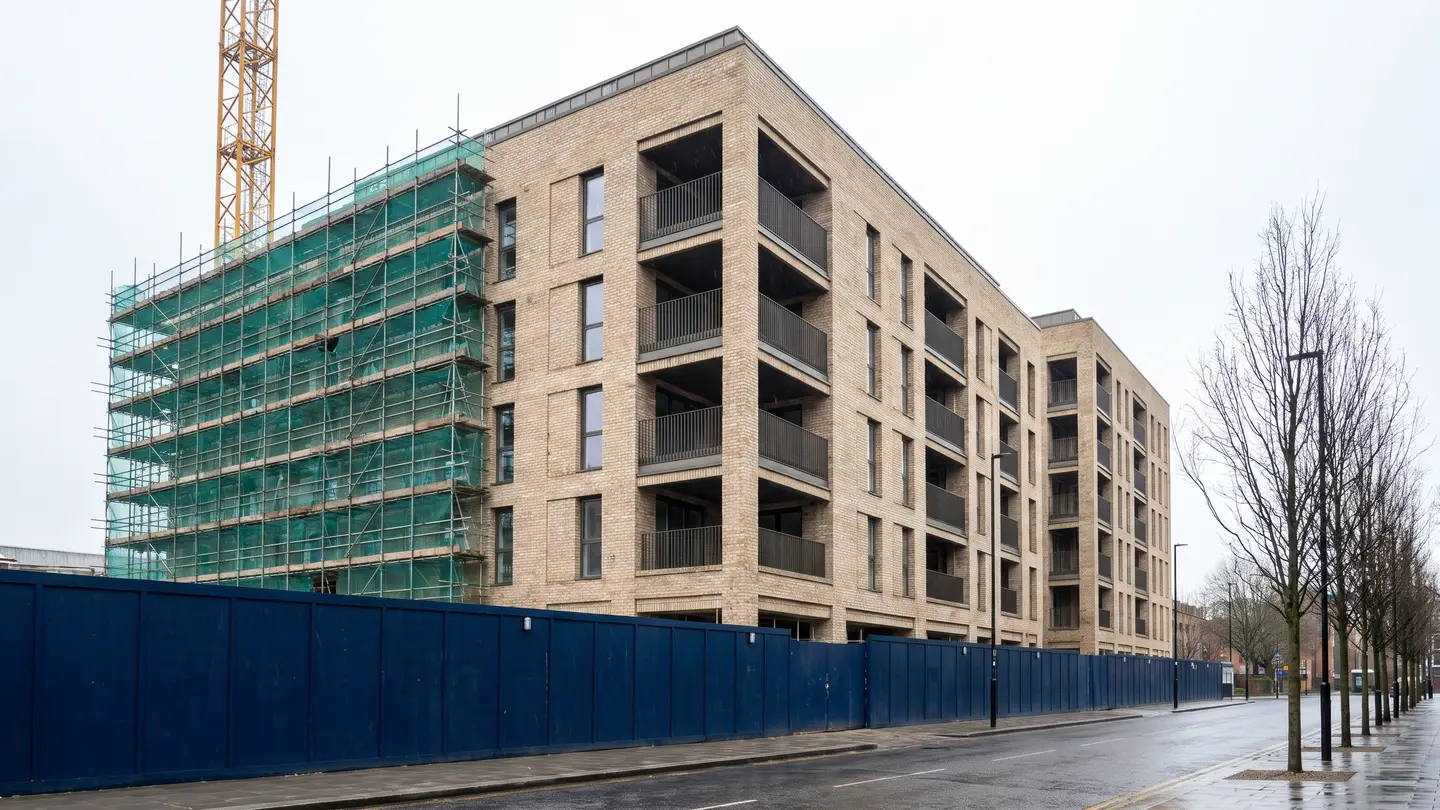
Over time, in the words of the housing minister, Matthew Pennycook, leasehold "will wither on the vine". As for how long that might take, Professor Susan Bright of the University of Oxford told MPs that existing leases "will continue in force for (at least) decades". Together, the two statements describe a gradual change: new flats would be commonhold, and the flats already built would stay leasehold until their owners chose to convert.
If you own a leasehold flat today
Nothing in the Bill changes how a flat is bought or sold today. A buyer and their lender still look at the length of the lease, the ground rent and the service charge as they stand. The tracker's section on selling now or waiting looks at the length of the lease, the ground rent and whether selling now, or waiting for reform, suits your circumstances.
This article reflects the position on 24 November 2026 and is general information, not legal advice. The Bill may change as it goes through Parliament.
Sources and Further Reading
- GOV.UK: Beginning of the end for thousand year old leasehold system (18 November 2026), for the announcement of the Bill and the minister's words.
- GOV.UK: Guide to the Commonhold and Leasehold Reform Bill (19 November 2026), for the government's case and its timetable.
- GOV.UK: Government response to the committee's report on the draft Bill (19 November 2026), for the value the ground rent cap would move from freeholders to leaseholders.
- GOV.UK: Commonhold White Paper (March 2025), for the comparison with other countries and the number of commonhold developments.
- GOV.UK: Leasehold dwellings, 2024 to 2025, for the number of leasehold homes and the length of leases.
- Law Commission: Reinvigorating commonhold (2020), for the origins of leasehold, the word "feudal" and the review of systems in other countries.
- Law Commission: Making Land Work (2011), for the rule that keeps flats from being sold freehold.
- UK Parliament: report of the Housing, Communities and Local Government Committee on the draft Bill (May 2026). The committee's inquiry page holds the written evidence quoted here from freeholders, lenders, builders, lawyers, managing agents and campaigners.
- British History Online: Survey of London, Covent Garden, for the Earl of Bedford's licence of 1631 and the first building leases.
- European Court of Human Rights: James and Others v United Kingdom (1986), for how building leases worked and the challenge to the 1967 Act.
- Hansard, 29 April 1891 and 22 July 1963, for the early Bills and the lending position on freehold flats.
- Legislation.gov.uk: Leasehold Reform (Ground Rent) Act 2022, section 4, for the legal meaning of a peppercorn rent.
- Scottish Parliament Information Centre: briefing on tenement maintenance (17 November 2026), for how flats are owned and repaired in Scotland.
- NSW Government: survey of defects in strata buildings (December 2023).
- Property Week: US Embassy relocation (13 July 2018), for the Grosvenor Square lease and the Florida story.
- Leasehold Knowledge Partnership: Biggest shake-up in English land law since 1925 (22 November 2026), for a campaigner's view of the Bill.
Frequently Asked Questions
Leases of land have been used in England for about a thousand years, at first for farmland. Leases for building houses date from the 1600s in London. Selling flats on long leases is much more recent: it became common after the Second World War, once rent controls had made renting flats out less profitable.
Leasehold is not feudal in the strict legal sense. The Law Commission says leasehold developed outside the main feudal forms of landholding and later in time, and that leases began as contracts. It adds that people use the word to describe the imbalance of power between a freeholder and a leaseholder.
The reason is a rule of English law that a duty to do something or to pay for something does not pass to later owners of freehold land. In a building of flats, each owner relies on the others to repair the structure and pay towards shared costs. A lease can pass those duties from one owner to the next, so flats have been sold on leases, and lenders have been unwilling to lend on freehold flats.
Northern Ireland and the Republic of Ireland still sell flats on long leases. In Singapore, Hong Kong and mainland China the state owns the land, and homes are held on leases or on rights that last a fixed number of years. Scotland, most of Europe, North America and Australia use systems where you own the flat outright and share the building with the other owners.
Existing leases are not being abolished. The Commonhold and Leasehold Reform Bill would make commonhold the standard for most new flats, and the government expects the ban on new leasehold flats to start around 2031 if the Bill passes. A building that is already leasehold would stay that way unless its owners chose to convert it to commonhold.
A peppercorn rent is a rent of nothing. The phrase comes from old leases that charged one peppercorn a year as a token payment. Since 2022 most new long leases of homes in England and Wales must have a peppercorn rent, which the law defines as an annual rent of one peppercorn. In practice nothing is collected.