

8 Lease Extension Mistakes to Avoid When Selling a Flat
A short lease can shrink your buyer pool and your sale price. But extending a lease can be a long and complex process. How to choose the right route when you come to sell.
Read the full guide →Section Hub
UK leasehold flat sellers make a small set of recurring mistakes that cost time and money. Some are timing or pricing errors; others are industry-side traps with quick sale companies, brokers, and exclusivity contracts. This hub covers them all.

Most UK leasehold flat sales that go wrong do so for the same handful of reasons. Some are timing or pricing errors that any informed seller can avoid. Others are industry-side traps: tactics used by parts of the quick sale industry, contract terms that lock sellers in, marketing claims that overstate what is actually deliverable. The two categories often combine: a seller in a rush is more likely to accept the first quick sale company offer they receive and discover the offer was inflated only after the sale stalls.
This section covers both. The deep guides cover specific scenarios in detail (the ten costly mistakes on short lease sales, the eight mistakes on probate flat sales, the eight pricing mistakes when selling a flat, the mistakes specific to dealing with quick sale companies). The principles section pulls out the universal lessons that apply across all leasehold sales regardless of route.
This section is honest about practices that occur in the cash buyer industry, even though Sell Flat UK is itself a cash buyer. Knowing what genuine practice looks like is your protection: it lets you weigh the routes fairly, so you can see when we are the right fit for your flat and when another route would serve you better.
Ten detailed reads on the specific mistakes most worth avoiding.
A short lease can shrink your buyer pool and your sale price. But extending a lease can be a long and complex process. How to choose the right route when you come to sell.
Read the full guide →
Selling a flat with a problem or two you would rather not mention? Staying quiet can feel like the easier option, but hidden issues tend to surface later and unravel the sale.
Read the full guide →
Estate agency sales in England and Wales are prone to false starts, delays and fall-throughs. These are the eight mistakes that often cause leasehold flat sales to fall through, and tips on how to avoid them.
Read the full guide →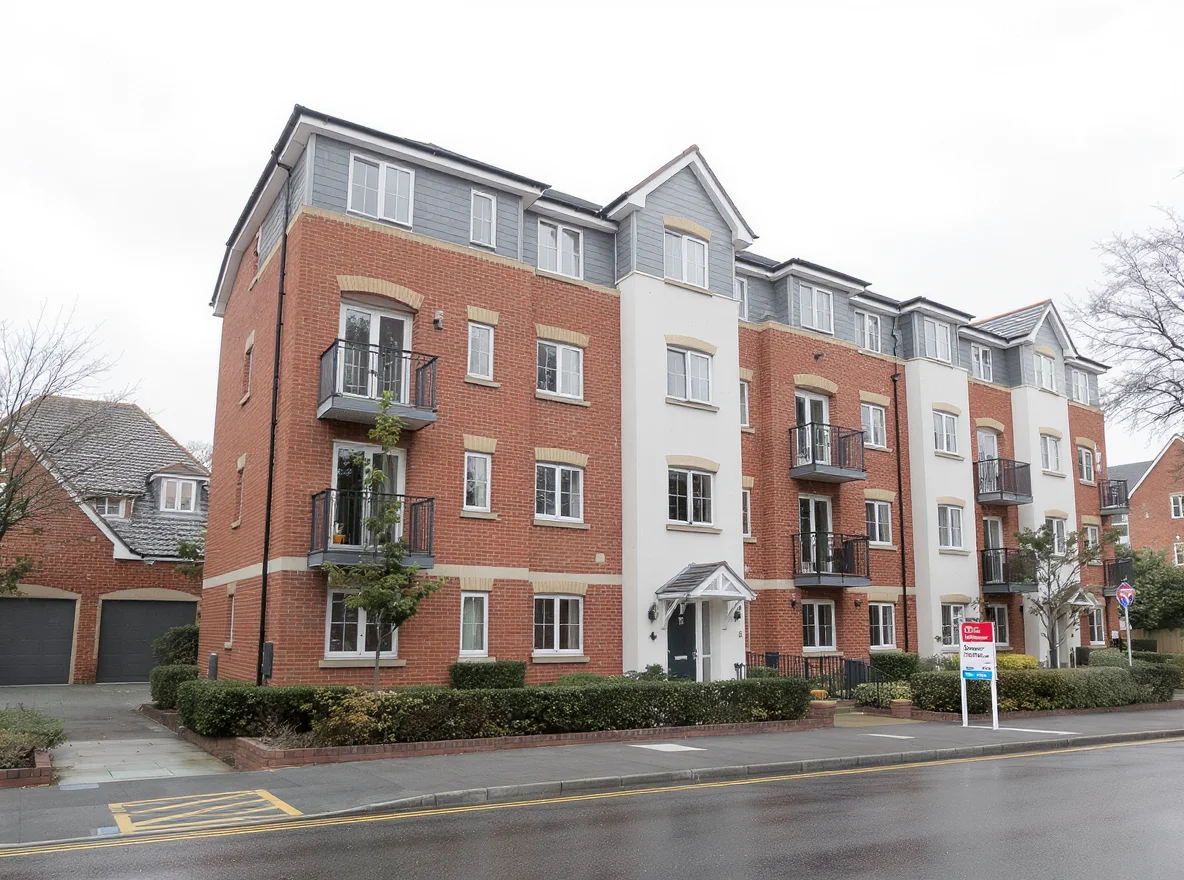
The rules for selling a tenanted property changed in 2026, and leasehold adds a layer on top. These are the fourteen biggest mistakes landlords make and how to avoid them.
Read the full guide →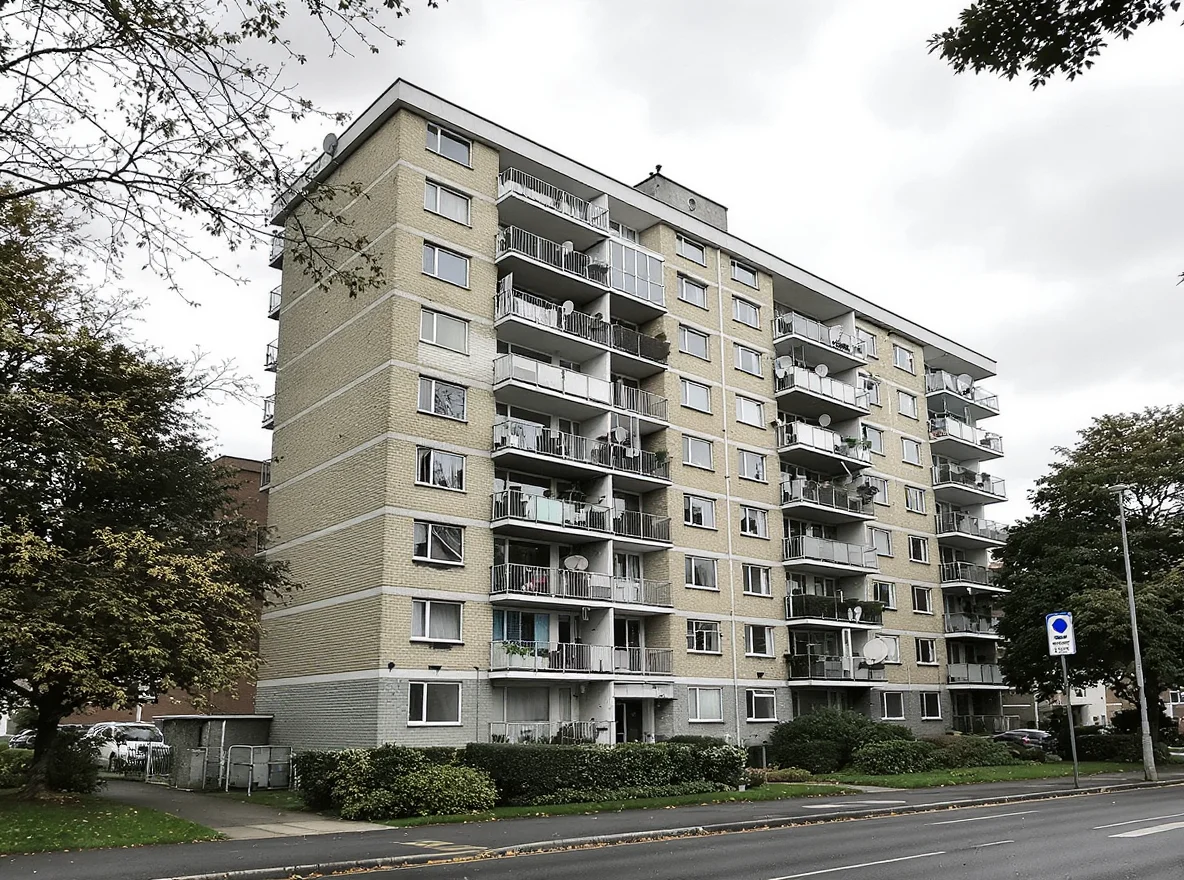
Ex-council flats sell well to the right buyers, but they come with quirks a private-build flat does not. These are the top 9 mistakes to avoid when you come to sell.
Read the full guide →
Your solicitor is the linchpin of a successful property sale, and on a leasehold flat that matters even more. These are the top 8 conveyancing mistakes that cost sellers the most and how to avoid each one.
Read the full guide →
The price you put on a flat is one of the biggest decisions in the sale, and one of the easiest to get wrong. Here are the eight pricing mistakes that cost flat sellers the most, and how to avoid each one.
Read the full guide →
Selling a flat that came to you through probate brings tax, timing and leasehold hurdles a normal sale does not. Here are the eight that cost executors and beneficiaries the most, and how to sidestep each one.
Read the full guide →
Practical guide to the ten errors that cost short lease sellers the most: waiting too long, ignoring the lease extension option, overpricing, choosing the wrong agent, hiding lease details, ignoring specialist buyers, underestimating legal delays, forgetting mortgageability, banking on leasehold reform, and limiting yourself to one route.
Read the full guide →
Honest guide to the mistakes specific to dealing with quick sale companies: assuming leasehold expertise, believing speed/guarantee marketing, accepting an unscrutinised offer, late due diligence, signing exclusivity, using the buyer's solicitor, ignoring the unregulated nature of the industry, and not comparing offers.
Read the full guide →Eight recurring mistakes account for most of the time and value lost in UK leasehold flat sales. Each is fixable with early action.
Five universal principles apply across all leasehold sales regardless of route, lease length, or seller circumstances. Following them avoids the great majority of the costly mistakes covered in the deep guides.
Order the leasehold management pack the day you decide to sell. Instruct a solicitor before listing, not after offer acceptance. Identify any lease defects pre-marketing and start any lease extension work before the next threshold. Almost every preventable delay traces back to acting late.
Leasehold conveyancing rewards specialist experience. Estate agents who routinely sell flats with the same characteristics as yours (short lease, ex-council, refurbishment) outperform generalists by weeks of marketing time. Solicitors with leasehold experience navigate the management pack, freeholder consents, ground rent and Section 20 notices materially faster than firms that mostly handle freehold sales.
Lease length, ground rent, service charges, planned major works, freeholder disputes, building safety status. All of these will surface during conveyancing regardless. Disclosing them upfront filters the buyer pool to those who can absorb them, reduces late renegotiation and shifts the chance of completion materially upward. Since 6 April 2025 the Digital Markets, Competition and Consumers Act 2024, enforced by the Competition and Markets Authority, has required material information to be disclosed.
Get an indicative figure from each realistic route: estate agent appraisal, auction valuation, two or three quick sale company offers. Each is free and indicative; none commits you to that route. The comparison itself usually clarifies the right path. Where one buyer asks for exclusivity before you have compared, treat the request itself as the question to focus on.
Use your own solicitor (not one introduced by the buyer). Have any document reviewed before signing, including any pre-contract document the buyer presents (exclusivity, option, reservation). If you are selling direct to a cash buyer, the first formal document you sign in a normal sale should typically be the contract of sale itself, not an earlier agreement. If a buyer pushes back on this, treat that pushback as a sign of how the sale is likely to go.
Six recurring patterns. (1) Waiting too long: a short lease loses value every month, and buyer pools narrow at the 80, 70 and 60 year thresholds. (2) Hiding lease details, only for buyers to discover them mid-conveyancing. (3) Defaulting to a single sale route when comparing routes is free. (4) Using a generalist estate agent or solicitor where leasehold expertise materially affects the outcome. (5) Trusting headline marketing claims (sell in 48 hours, guaranteed completion) instead of verifying what is realistic. (6) Signing exclusivity or option agreements with quick sale companies before solicitors have reviewed anything.
Two reasons. First, the leasehold management pack from the managing agent typically takes 2 to 8 weeks; if the buyer's solicitor cannot complete enquiries because the pack is missing, the sale stalls. Second, on short leases, the lease length itself is a moving target: every month the lease shortens, the value drops, and the buyer pool may narrow. Acting before the next threshold (80, 70 or 60 years) is materially better than waiting and reacting.
Use your own solicitor (not one introduced by the buyer or quick sale company). Independent legal advice is the single biggest filter on contract terms that work against the seller, on exclusivity agreements that lock the seller in, and on price-chipping renegotiations that arise late in the conveyancing. The cost is typically £1,200 to £1,800 for a leasehold sale; the protection from independent representation is worth multiples of that.
No. The business of buying property is not a regulated activity in the UK. Standard consumer protection law applies but there is no industry-specific regulator. Voluntary redress schemes exist (The Property Ombudsman, the National Association of Property Buyers, the Property Redress Scheme); membership is a useful indicator that the buyer accepts a complaints framework but is not a guarantee of conduct. The unregulated nature is exactly why due diligence on the specific buyer matters: scrutiny replaces the regulatory filter that would otherwise apply.
At least two, ideally three. Speaking with two or three quick sale companies (and additionally an estate agent and an auction house if those routes are realistic) gives you a benchmark for the genuine market value of a quick sale. The spread between offers can be material, and the act of comparing also reveals which companies are direct buyers and which are brokers. The cost of indicative offers is zero, and they do not commit you to a route.
Verify the buyer at Companies House, request proof of funds for the specific purchase, check independent reviews, confirm membership of a redress scheme, instruct your own solicitor, and compare against at least one other offer. Refuse exclusivity agreements before solicitor involvement; the first formal document you sign should typically be the contract for sale itself. If any of these steps is pushed back on by the buyer, treat the pushback itself as a meaningful signal about who you are dealing with.