
Sellers' Guide
Selling a Flat With Major Works Planned
A section 20 notice for a new roof, windows or lift can turn up just as you come to sell. This guide explains how major works are charged, who ends up paying when the flat changes hands, why timing matters more than anything else, and how to keep the sale on track.
Can You Sell a Flat With Major Works Coming Up?
Every block of flats needs major work from time to time: a new roof, replacement windows, external redecoration, a lift or a boiler. The cost is shared between the leaseholders through the service charge, and when it runs to more than £250 for any one flat, the freeholder has to consult the leaseholders first, under section 20 of the Landlord and Tenant Act 1985. That consultation is what people mean by a "section 20 notice".
If you are selling when a notice arrives, or just before, the bill becomes part of the sale. The buyer's solicitor will see it in the management pack, the buyer will ask who pays, and the answer decides the price. This guide covers how that plays out in practice, and why the single biggest factor is not the size of the bill but when the buyer finds out about it.

This guide is general information, not legal advice. It covers England and Wales.
Written and kept up to date by the Sell Flat UK team at LDN Properties Ltd, who have bought flats with section 20 notices outstanding since 2003. Last reviewed on 9 October 2026.
How Major Works Are Charged
The lease sets out what the freeholder must repair and how the cost is recovered from the leaseholders. For larger jobs, the law adds a consultation process on top.
The section 20 consultation
For qualifying works costing any one leaseholder more than £250, the freeholder or managing agent must consult before going ahead. In most cases there are two main stages:
- A notice of intention. It describes the works and why they are needed, and gives leaseholders 30 days to comment and to nominate a contractor.
- A statement of estimates. It sets out at least two quotes, and again gives leaseholders 30 days to comment.
If the freeholder skips the consultation without the tribunal's permission, each leaseholder can only be charged £250 for the works. Our guide to section 20 notices explains the process in more detail.
When the bill arrives
The money is then demanded through the service charge, sometimes in advance and in instalments, sometimes after the works. If the block has a reserve fund, part or all of the cost may come out of it instead. Our guide to reserve and sinking funds explains how they work.
There is also a time limit. Under section 20B of the 1985 Act, a freeholder cannot normally demand a cost more than 18 months after it was incurred, unless the leaseholders were told in writing within that period that they would be asked to pay.
Who Pays When You Sell?
There are two separate questions here, and they often get confused.
Who the freeholder can charge
The freeholder charges whoever owns the flat on the date the payment falls due. The date the works were done, and the date the section 20 notice was served, make no difference. So if the demand falls due before completion, the bill is yours, and it stays yours even if you have not paid it by the time you sell. If it falls due after completion, the bill is the buyer's, even for works finished while you still owned the flat.
Your solicitor settles the service charge account up to the completion date. The buyer takes over from then on.
Who actually bears the cost
That is a matter for negotiation between you and the buyer, and it is settled through the price or the contract, not the lease. Your solicitor will usually argue that the buyer will enjoy the benefit of the works, a new roof or new windows, so the buyer should bear the cost. In practice, most buyers see it the other way. They argue that the works only put the building into the normal condition they expected to be buying, and reduce their offer by the full amount of the bill.
The cost is then dealt with in one of three ways:
- A lower price. The buyer offers less, and takes on the bill when it is demanded.
- A retention. Part of the proceeds of sale is held back by the solicitors at completion and used to pay the bill when it arrives, with any balance returned to you.
- You pay before completion. If the money has already been demanded, you pay it and the buyer takes the flat with the bill settled.
Why Timing Matters More Than the Bill
In our experience, the biggest factor in what a section 20 notice costs you is not the size of the bill but when the buyer finds out about it.
- Before an offer is made. The works are part of the conversation from the start. The buyer factors them into their offer alongside everything else, and there is room to negotiate. This is the best position for a seller.
- After an offer, early in the conveyancing. The buyer will ask to renegotiate. A reduction is likely, but if the figure is clear and the paperwork is ready, it can usually be agreed quickly.
- Late in the conveyancing. The buyer has already paid for a survey and searches, and feels the goalposts have moved. Most buyers ask for the full amount off the price at this point, and some walk away.
The lesson is simple: if a notice has arrived, or works are being talked about at residents' meetings, put the paperwork in front of buyers as early as possible. A cost the buyer knew about when they made their offer is much easier to settle than one that arrives three weeks before exchange.
How Buyers React
The bill is only part of what worries a buyer.
The disruption
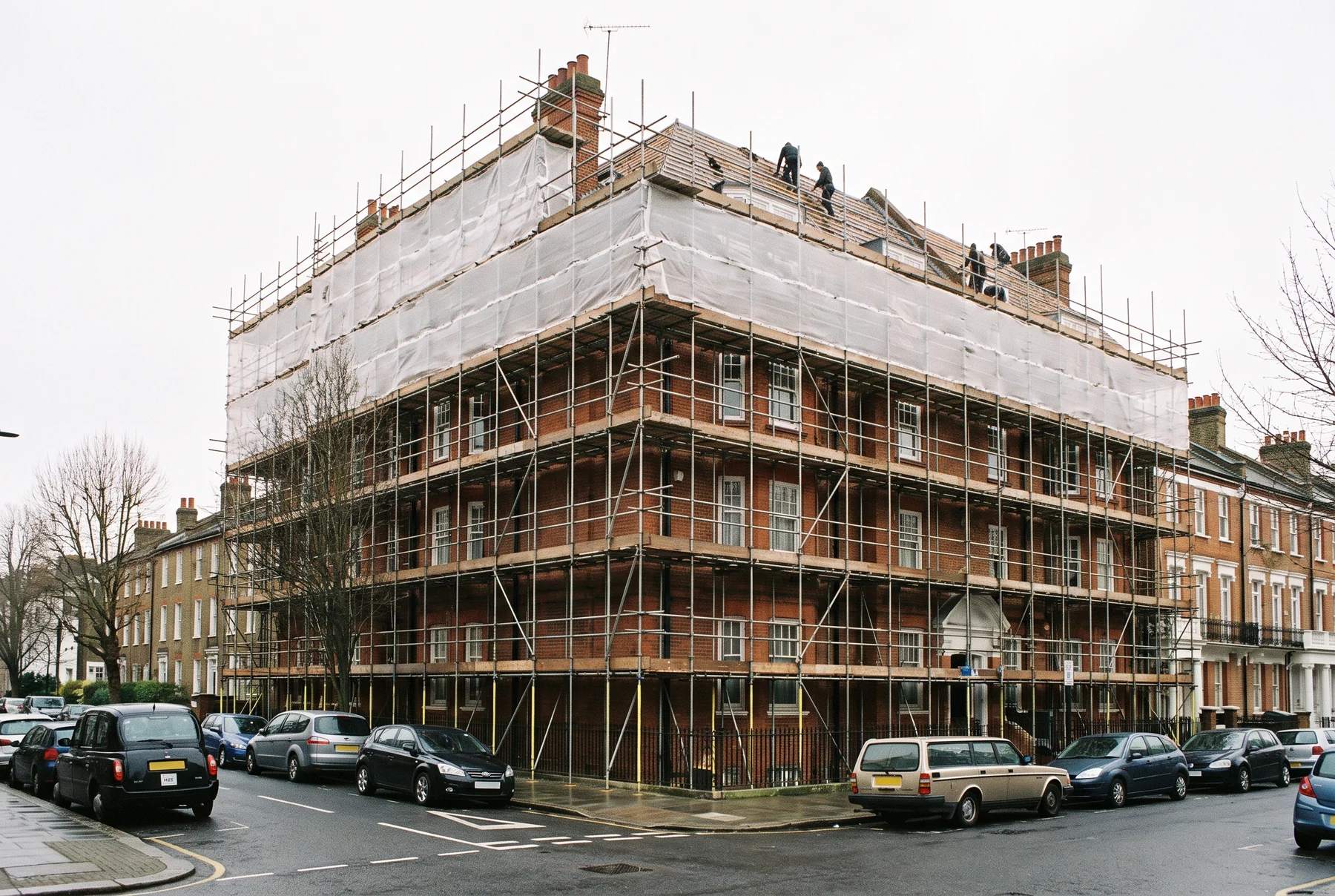
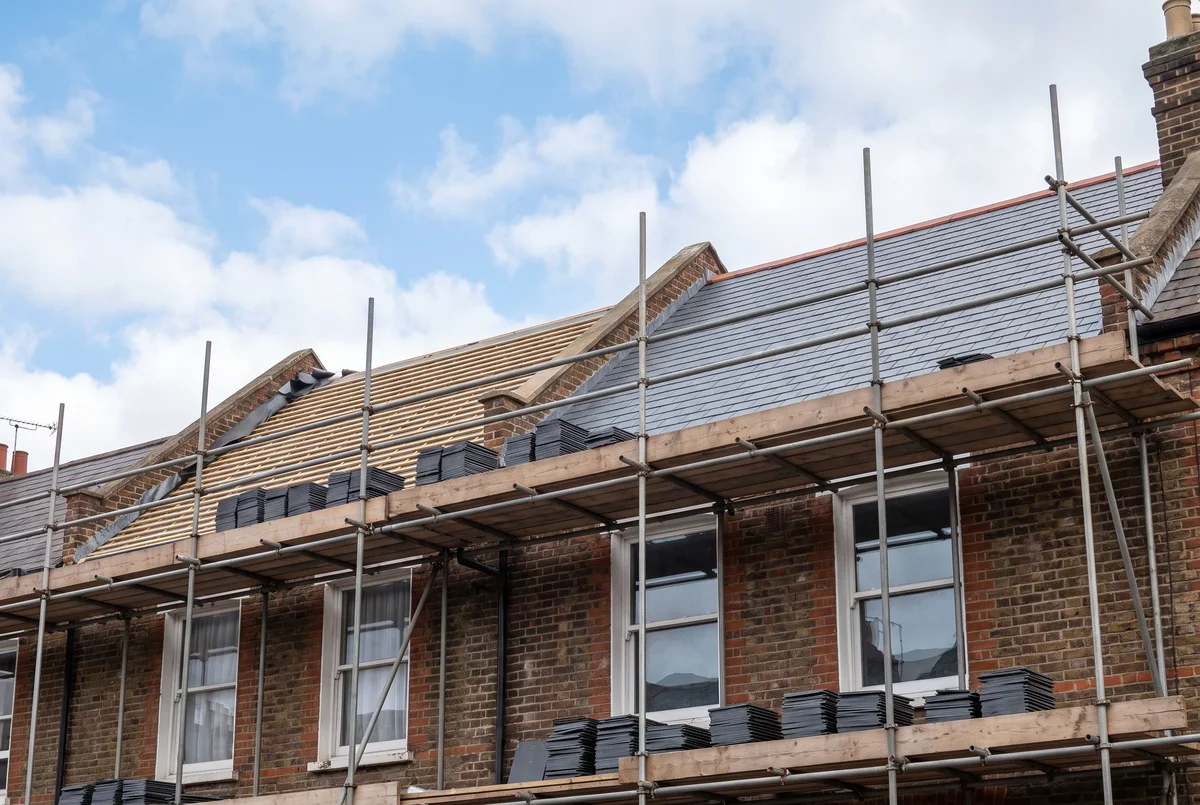
Buyers are not only paying for the works. They may also be living with them: months of scaffolding across the windows, noise, dust and workers on the roof, starting soon after they move in. That is not what most people picture when they buy a home, and it weighs on the offer as well as the cost.
First-time buyers and the fear of more to come
Buyers who have not owned a leasehold flat before can be put off by the idea of a section 20 notice altogether. If one is happening now, they wonder how often it will happen again during their ownership. You can answer that worry with evidence: a healthy reserve fund, a planned maintenance schedule showing what is due over the next ten years, and service charge accounts showing the block is properly run. A buyer who can see the long-term picture is far less likely to be spooked by one bill.
What the buyer's solicitor will see
The management pack, built around a standard form called the LPE1, asks the managing agent directly about planned major works and section 20 notices. You will also be asked about them on the leasehold information form, the TA7. If you market through an estate agent, known major works are material information for the listing too. There is no way to keep a section 20 notice out of a sale, so the only question is how well it is presented. Our guides to the LPE1 and the TA7 explain what each asks.
Building Safety Works Are Different
If the major works are to fix historical building safety defects, such as unsafe cladding or fire safety problems, in a building over 11 metres high or with five or more storeys, special protections may apply under the Building Safety Act 2022.
- Qualifying leaseholders pay nothing towards replacing unsafe cladding.
- Their contribution to other historical safety defects is capped, usually at £10,000 outside London or £15,000 in London, spread over ten years, with higher caps for flats worth over £1 million.
- Flats worth less than £175,000 outside London, or £325,000 in London, pay nothing at all.
Whether you qualify depends on your lease and your circumstances on 14 February 2022. Sellers usually need to complete a leaseholder deed of certificate so the protections pass to the buyer. Our guide to EWS1 and cladding covers this in detail.
Your Options
| Option | How it works | Best for |
|---|---|---|
| Disclose early and negotiate | Share the notice and estimates before an offer, and agree the price with the works in mind | Almost every seller who knows works are coming |
| Sell with a retention | Part of the price is held back at completion and released to pay the bill | Works where the final cost is not yet known |
| Pay the bill and sell | Pay a demand already issued, so the buyer takes the flat with it settled | Sellers who can fund it and want a clean sale |
| Challenge the cost | Ask the tribunal whether the cost is reasonable or the consultation was followed | Bills that look excessive, if you have time |
| Sell to a cash buyer or at auction | The buyer prices the works in and completes quickly | Large or uncertain bills, or a sale that has already fallen through |
A challenge at the First-tier Tribunal can reduce an unreasonable bill, but it takes months, and a buyer will not usually wait for the outcome. It suits owners who are not under pressure to sell. Our guide to service charges explains how to challenge them, our guide to selling to a cash buyer covers the quick-sale route, and our guide to the cost of selling a leasehold flat shows where a retention fits among the other costs.
What to Do, and What Not to Do
Do:
- Put any section 20 notice in front of buyers before an offer. Give your estate agent copies of the notice and the estimates, so they are part of the negotiation from day one.
- Ask the managing agent what is coming. Before you go to market, ask about planned works over the next few years, so nothing surprises you or the buyer.
- Gather evidence that the block is well run. The reserve fund balance, a planned maintenance schedule and recent accounts all reassure a nervous buyer.
- Agree retentions in writing. If part of the price is held back, make sure the contract says how much, who holds it, what it pays for and when the balance comes back to you.
Do not:
- Do not hope the notice will not come up. It will be in the management pack, and a late surprise costs more than an early disclosure.
- Do not ignore a notice while you are selling. Respond to the consultation as normal. Your comments can affect the cost, and the buyer's solicitor may ask whether you did.
- Do not assume the buyer will share the cost because they benefit. Most will not. Plan your price on the basis that the full bill comes off.
Sources and Further Reading
- Landlord and Tenant Act 1985, section 20: the duty to consult on major works.
- Landlord and Tenant Act 1985, section 20B: the 18-month time limit on service charge demands.
- The Service Charges (Consultation Requirements) (England) Regulations 2003: the £250 threshold and the consultation stages.
- GOV.UK: Building safety leaseholder protections: who qualifies and the cost caps.
- Leasehold Advisory Service: free guidance on major works and section 20 consultation.
Frequently Asked Questions
Yes. A section 20 notice does not stop a sale, but the buyer will find out about it from the management pack, and it will affect the price. The best results come from telling buyers early, ideally before they make an offer, so the cost is part of the negotiation rather than a late surprise.
The freeholder charges whoever owns the flat when the service charge demand falls due. Between seller and buyer, who actually bears the cost is negotiated, through a lower price, a retention held back at completion, or the seller paying a demand already issued. In practice most buyers reduce their offer by the full amount of the bill.
Your solicitor may argue that, but most buyers do not accept it. They usually say the works only bring the building up to the normal condition they expected to buy, and reduce their offer by the full cost. Plan your price on the basis that the whole bill comes off.
A retention is part of the sale price held back by the solicitors at completion, to pay a bill that has not yet been issued or finalised, such as a major works demand. When the bill arrives, it is paid from the retention and any balance is returned to the seller. The contract should say how much is held, by whom, for what and when it is released.
Yes. The management pack asks the managing agent about planned works and section 20 notices, the leasehold information form (TA7) asks you, and known major works are material information for an estate agent's listing. A notice cannot be kept out of a sale, so the only question is how well it is presented.
Tell your solicitor straight away so it can be passed to the buyer. Expect the buyer to ask for a reduction, often the full amount of the estimates, or a retention. Some buyers withdraw at this stage, especially first-time buyers, so having the reserve fund balance and a maintenance schedule ready to reassure them helps.
Yes, if the building is over 11 metres high or has five or more storeys. Under the Building Safety Act 2022, qualifying leaseholders pay nothing towards replacing unsafe cladding, and their contribution to other historical safety defects is capped, usually at £10,000 outside London or £15,000 in London over ten years. A leaseholder deed of certificate usually passes the protections to the buyer.
Yes. You can ask the First-tier Tribunal whether the cost is reasonable and whether the consultation was carried out properly. If the freeholder did not consult as required, the charge can be limited to £250 per flat unless the tribunal allows otherwise. A challenge takes months, though, so it suits owners who are not under pressure to sell.