Key Documents in a Leasehold Sale
A leasehold sale uses several documents that a freehold sale does not. Understanding what each is, who produces it, and when it appears makes the timeline more predictable.
The lease itself
The core legal document. Sets out the term (typically 99, 125 or 999 years originally), the ground rent provisions, the service charge structure, the leaseholder's repair and insurance obligations, the freeholder's enforcement rights, and any restrictions on use, alterations, pets or subletting. Buyers' solicitors review it in detail.
HM Land Registry title register and plan
The public record of ownership. Available for £7 (register and plan as a pair) from the Land Registry online service. Confirms the registered leasehold proprietor, any charges (including any seller's mortgage), the freeholder identity, and any restrictions noted on the title.
LPE1 (Leasehold Property Enquiries Form 1)
The leasehold management pack. Produced by the managing agent or freeholder; ordered by the seller's solicitor. Contains service charge accounts, ground rent statements, building insurance schedule, fire safety information, planned major works under Section 20, and confirmation of any disputes. Cost typically £200 to £600.
TA6, TA7, TA10 forms
Standard Law Society property information forms completed by the seller. TA6 covers property information generally; TA7 covers leasehold-specific information (consents, disputes, complaints, alterations, building safety); TA10 covers fittings and contents. Completed with the seller's solicitor's guidance and form part of the contract.
EWS1 form (where applicable)
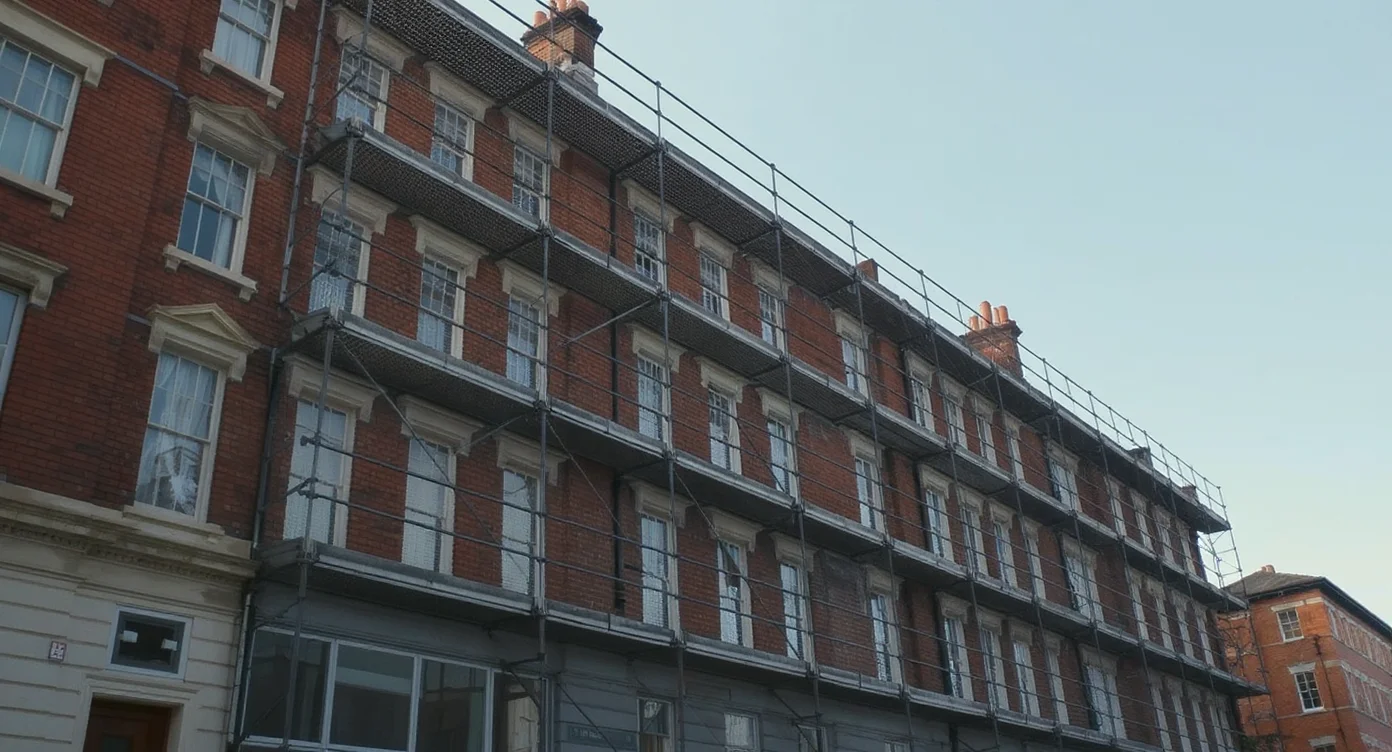
The External Wall System assessment form for buildings in scope of post-Grenfell building safety regulations. Required by mortgage lenders for taller buildings or those with certain external wall types. Provided by the freeholder or building owner. Without it, mortgage approval can stall on affected buildings.
Section 20 consultation papers
Where major works are planned (typically over £250 per leaseholder), the freeholder must consult under Section 20 of the Landlord and Tenant Act 1985. Any open consultation needs disclosing in the TA7 and the LPE1; the buyer will want to understand the apportionment. See our full guide: What is a Section 20 Notice?